

Just as the world continues to grapple with the long-term social and economic scars left by the Covid-19 pandemic, renewed concern is emerging over the Nipah virus, a deadly zoonotic disease that health experts say has the potential to trigger another global health crisis if not contained early.
Nipah, a virus transmitted from animals to humans, has resurfaced in parts of Asia, prompting heightened surveillance by global health authorities. Though outbreaks so far have been limited, scientists warn that the virus’s high fatality rate — estimated at between 40 and 75 percent — makes it one of the most dangerous pathogens currently known.
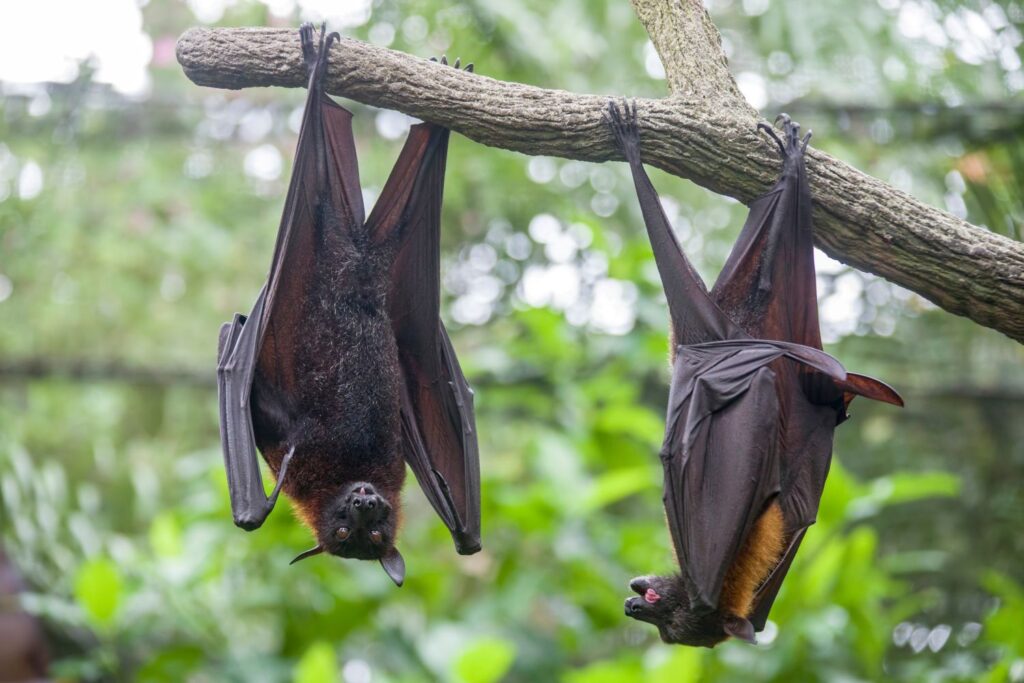
The virus, first identified in 1999 during an outbreak among pig farmers in Malaysia, spreads mainly through contact with infected fruit bats, contaminated food, or close human-to-human interaction. Symptoms range from fever and headaches to severe respiratory illness and fatal brain inflammation.
Health experts say the memories of Covid-19 — which began as a localised outbreak before overwhelming global health systems — are fuelling anxiety around Nipah.
“Covid-19 taught the world a painful lesson: ignoring early warning signs can be catastrophic,” said a regional public health specialist. “While Nipah is not spreading at the same scale, its lethality is far higher, and that alone demands serious attention.”
Unlike Covid-19, which spreads rapidly through airborne transmission, Nipah is less contagious but far more deadly. There is currently no approved vaccine or specific treatment, with medical care largely limited to managing symptoms and preventing complications.
Dindo of Kasawo: The Rocky Landmark Steeped in Myth and Tradition
The World Health Organisation has previously listed Nipah among priority diseases requiring urgent research due to its epidemic potential. Experts note that increased deforestation, climate change and closer human-wildlife interaction are raising the risk of such viruses spilling over into human populations.
In Uganda and other African countries, health officials say there is no confirmed outbreak, but surveillance systems strengthened during the Covid-19 pandemic remain on alert. Authorities are urging the public to avoid panic while emphasising vigilance, early reporting of unusual illnesses, and adherence to public health guidance.
Public health analysts argue that the global community cannot afford a repeat of the slow response that marked the early days of Covid-19.
“The question is not whether another virus will emerge,” one expert said. “The question is whether the world will act faster than it did with Covid-19.”
For now, experts stress that Nipah remains a potential threat rather than an active global emergency, but its existence serves as a stark reminder that the era of pandemics may be far from over.
ALSO READ: Dindo of Kasawo: The Rocky Landmark Steeped in Myth and Tradition

1 Comment
Pingback: UCC Clarifies on ‘Squeeze Backs’ in Broadcasting, Orders End to Split‑Screen Ads. - Mukono News