

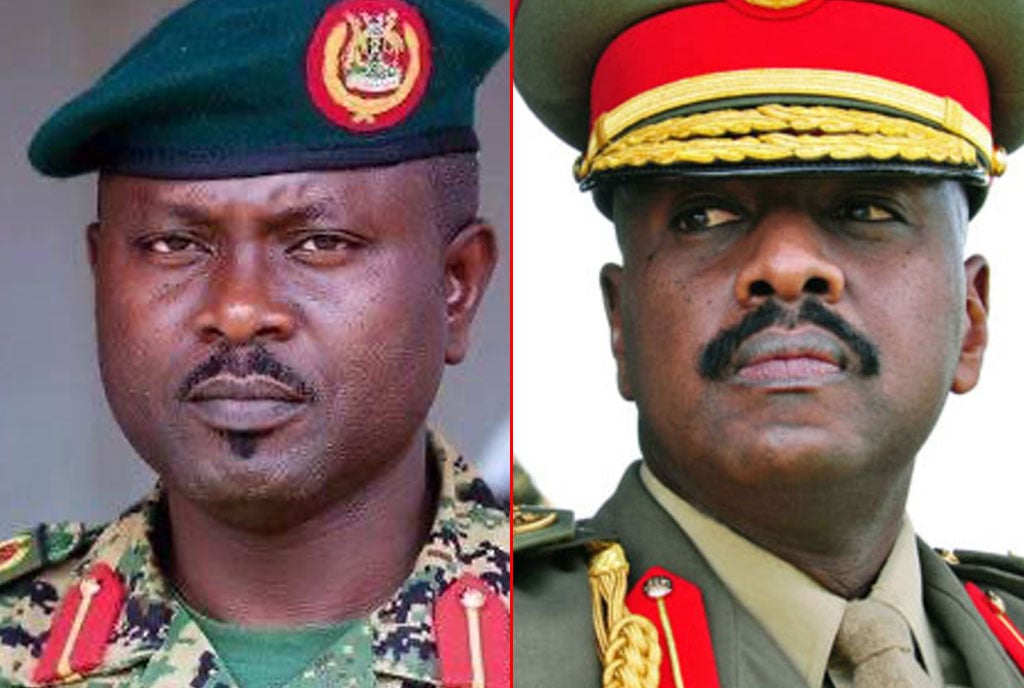
In a bold and rare direct message to members of the U.S. Senate, Col. Chris Magezi, Acting Director of Defence Public Information for the Uganda People’s Defense Forces (UPDF), hit back at Washington’s threats of sanctions and security review, accusing critics abroad of undermining Uganda’s sovereignty and spreading misinformation.
Posting from his verified X account (@ChrisOMagezi) where he frequently communicates on defense and diplomatic issues Magezi responded explicitly to recent pressure from the U.S. Senate Foreign Relations Committee, which has demanded punitive action against Uganda over controversial social media posts by General Muhoozi Kainerugaba.
In his message, Magezi challenged U.S. lawmakers to reconsider what he described as “unwarranted interference” in Uganda’s internal matters, particularly following accusations that the United States supported opposition politicians ahead of the January 15, 2026 general election a claim strongly rejected by Washington. While the specifics of the U.S. Senate statement focused on Muhoozi’s deleted tweets and crossed “red lines,” Magezi’s post turned the narrative toward a defense of Uganda’s domestic political process and national dignity.
“The Senate of any nation has no business deciding the security posture of another sovereign state. Uganda will not sit idle while external powers lecture us on matters that are ours to resolve,” Magezi wrote in his message on X, underscoring his belief that international criticism has crossed acceptable diplomatic boundaries.
The reaction from Chris Magezi follows what U.S. lawmakers described as “instability and recklessness” in the deleted posts by General Muhoozi, which included claims that the U.S. Embassy in Kampala was aiding opposition leader Bobi Wine allegations Washington vehemently denied. The Senate’s chair of the Foreign Relations Committee said Muhoozi’s conduct “crossed a red line” and called for a reassessment of security cooperation, including sanctions and future military engagements.
Chris Magezi ’s outspoken message represents a marked departure from typical public communications by Ugandan defence officials, who usually avoid directly attacking foreign legislative bodies. Analysts say this tone reflects Kampala’s growing frustration with what it sees as external pressure over internal security and governance issues particularly as Uganda navigates a charged post‑election period.
By addressing the U.S. Senate publicly, Magezi’s message also underscores tensions in the traditionally close security relationship between Kampala and Washington particularly involving joint efforts against regional threats and peacekeeping operations. Washington’s recent signals about reviewing aid, military cooperation and bilateral partnerships come at a sensitive time for Uganda’s defence establishment.
The spat has broader diplomatic implications. The United States has already scaled back some Embassy communications due to a funding lapse, although essential services continue. Meanwhile, relations between Uganda and other Western partners such as Germany have also experienced strain, with past UPDF statements alleging “subversive activities” by foreign diplomats in Kampala.
Critics of Kampala’s hardline rhetoric worry that public confrontations with foreign parliaments and diplomats could isolate Uganda at a time when regional security cooperation is critical to counterterrorism efforts in East Africa.
However, supporters of Magezi’s stance argue that sovereignty and national image are at stake, and that external criticism often overlooks contextual realities on the ground including Uganda’s security concerns and domestic political dynamics.
As diplomatic tensions simmer, observers say both sides will need to engage behind the scenes to prevent a formal deterioration in relations that could impact military cooperation, development aid and regional security initiatives.
Whether Magezi’s bold message on X will shift U.S. Senate opinion remains uncertain but it undeniably signals a more assertive and public posture from Kampala’s military communications apparatus.
ALSO READ: Muhoozi Accuses U.S. Embassy of Aiding Bobi Wine’s Escape, Suspends Military Cooperation
