

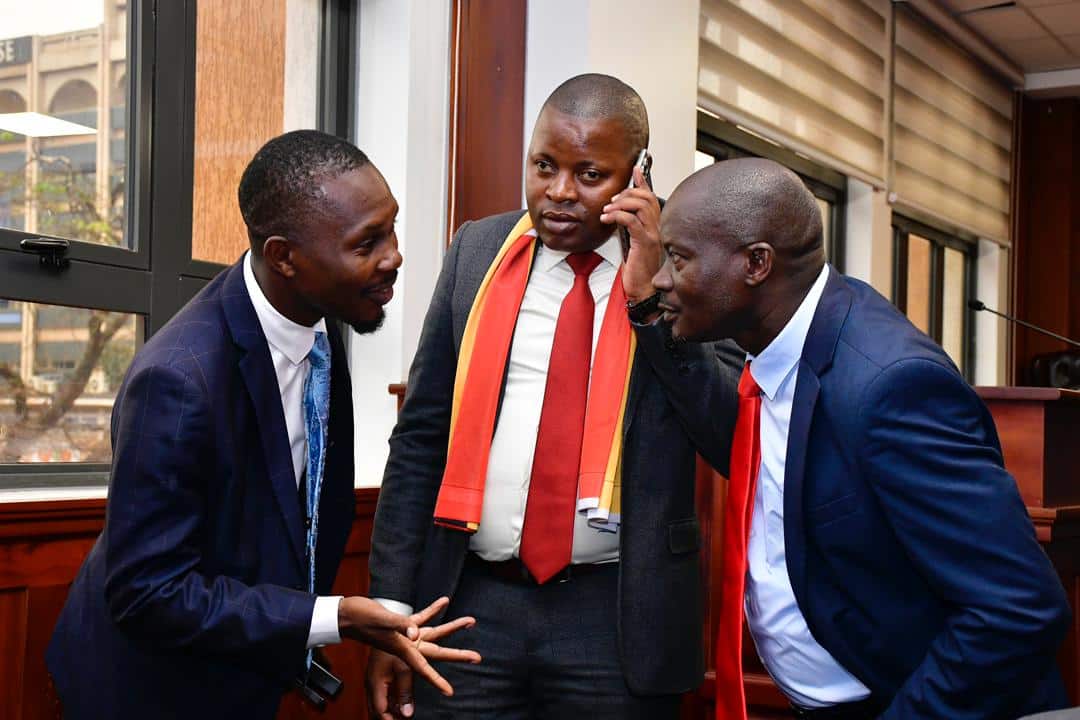
KAMPALA, Uganda — In a dramatic turn of events on Friday, February 6, 2026, former presidential candidate Robert Kasibante has filed an application seeking to withdraw his petition challenging President Yoweri Kaguta Museveni’s victory in the January 15 presidential election, citing prohibitive financial and technical burdens in prosecuting the case.
Kasibante, who contested on the National Peasants Party ticket and finished sixth with just over 33,000 votes, lodged the petition at the Supreme Court on January 19, 2026, challenging not only the outcome but the conduct of the entire electoral process. His application to discontinue the petition also seeks to halt a separate motion in which he had asked for a comprehensive audit of electoral materials, including biometric voter verification systems and electronic transmission infrastructure.
The petition rooted in allegations of widespread irregularities, electoral offences, and statutory non-compliance contends that the Electoral Commission (EC) failed to conduct the election in accordance with the Constitution and applicable laws. Central to the complaint were claims that votes tallied at polling stations did not match those transmitted to higher tally centers, that thousands of polling stations were not properly gazetted, and that biometric systems lacked a clear legal and procedural framework.
President Museveni, declared winner with approx. 7.9 million votes, rebutted the allegations through a robust defence team that dismissed the claims as unfounded and legally defective. EC officials also joined the defence, insisting the election was conducted in line with law. The Attorney General’s chambers similarly rejected the petitioner’s assertions.
Before the latest withdrawal application, the Supreme Court overruled Kasibante’s bid to delay proceedings for forensic audits and compelled disclosure of key electoral materials, affirming that the petition would proceed within statutory timelines and emphasising the constitutional requirement for expeditious determination.
ALSO READ : Could Gen. Salim Saleh Be Uganda’s Next President? A Look Beyond the Headlines
Earlier procedural skirmishes included an application by the EC Chairperson, Justice Simon Byabakama, urging the court to dismiss the petition for being improperly pleaded and outside the court’s jurisdiction a motion characterized by the respondents as a necessary legal safeguard.
Museveni’s legal team had lined up a slate of six witnesses, including senior NRM officials and polling agents, to defend the election’s integrity, while EC proposed a roster of 12 technical witnesses to address issues related to tallying and biometric verification.
Under Article 104(1) of the Ugandan Constitution, presidential election petitions must be determined within strict timelines, a factor highlighted by Supreme Court Justice Mike Chibita as hearings were adjourned earlier this month to allow the court to meet its constitutional mandate. Reports indicate that justices even scaled back attendance at the annual judges’ conference to prioritise the election petition docket.
With Kasibante’s latest withdrawal application now before the bench, the Supreme Court will have to decide whether to grant leave to discontinue the matter, an outcome that could effectively end the legal challenge unless another eligible candidate elects to pursue fresh litigation.
Kasibante’s challenge was not the only legal dispute tied to the 2026 election cycle. Other candidates and parties pursued separate petitions over electoral frameworks and processes, including a Constitutional Court challenge seeking to halt the election altogether and independent actions questioning the voter register and role of security forces, though these have largely proceeded on different tracks.
Meanwhile, the broader political climate remains tense, as opposition figures, such as National Unity Platform leader Robert Kyagulanyi Ssentamu (Bobi Wine), continue to voice grievances over the election’s conduct claims amplified by reports of security actions against opposition supporters and media narratives of irregularities.
