

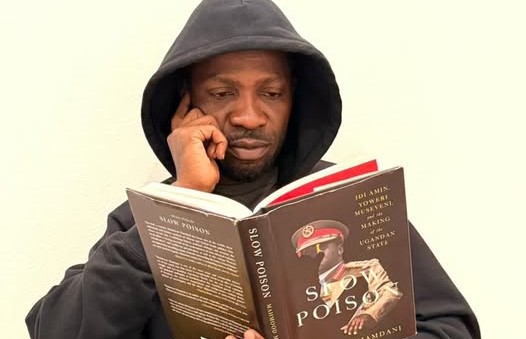
KAMPALA, Uganda — National Unity Platform (NUP) leader Robert Kyagulanyi Ssentamu, widely known as Bobi Wine, has broken a week-long silence following intense political turmoil and security pressure that forced him into hiding after the disputed January 15 presidential election. In a post on X (formerly Twitter) on Tuesday, Wine said he took time off social media not out of fear, but to reflect and read an “insightful book” that delves into Uganda’s political malaise — particularly the leadership of President Yoweri Museveni. In his message, he quoted academic Prof. Mahmood Mamdani warning that the “Museveni era has corroded the morals of an entire generation,” adding that the country faces “work cut out for us” but vowing that “UGANDA WILL BE FREE.”
Wine’s rare public communication comes as his whereabouts remain undisclosed amid what his party describes as credible threats against his life from state security figures and a militarised hunt for him across Uganda. The NUP has repeatedly said Wine went into hiding after his home in Magere was targeted by security operatives who they say cut power, vandalised surveillance equipment, and pursued him immediately after the election result announcement.
Bobi Wine’s retreat from public view began after he rejected the outcome of the January 15 presidential poll, in which President Museveni was declared winner with about 72 % of the vote against Wine’s roughly 25 %. Wine and NUP officials labelled the results a “blatant theft” and said they had evidence of ballot-box stuffing, manipulated tally forms, and the abduction of NUP polling agent charges the Electoral Commission has not publicly addressed.
On election night and the following days, security forces reportedly laid siege to Wine’s residence. In a video shared earlier, Wine said he was forced to flee after soldiers raided his home, injuring his wife, Barbara Kyagulanyi, and sealing off access to his property. The military has denied arresting Wine and insists he is free to return to his home; Information Minister Dr. Chris Baryomunsi urged him publicly to come back, dismissing claims of an active manhunt.
Wine’s party says his decision to go underground stems from credible threats and a hostile security climate. NUP officials claim state security agencies have converted parts of his compound into a military post and are aggressively pursuing opposition figures — intensifying fears for his safety.
Despite pressure, Bobi Wine has rejected overtures to compromise with President Museveni, including going to court or engaging in negotiated power-sharing arrangements. Wine has repeatedly called Uganda’s judiciary “captured” and ineffective, saying legal challenges to the election would be futile in a system lacking independence. Instead, he has urged peaceful protest and civic action under constitutional provisions that protect the right to peaceful assembly.
Wine’s refusal to accept the declared results or to negotiate a “shared power” arrangement reflects a broader determination among his supporters especially the youth for systemic political change in Uganda. His movement has grown in recent years, drawing strength from frustrations over unemployment, corruption, restrictions on political freedoms, and nearly four decades of Museveni’s rule since 1986.
During the campaign period, Wine’s activism was met with repeated confrontations with security forces, including rally disruptions, mass arrests of supporters, and a nationwide internet shutdown that coincided with the vote measures critics said were aimed at suppressing dissent.
In his first message in days, Wine reflected on the political struggle and the deeper impact of decades of entrenched rule. Quoting Professor Mamdani’s observation on the corrosive effect of long-term leadership on morals and governance, he framed his own experiences within a larger narrative of national crisis and renewal.
“A depressing account it is,” Wine wrote, “but we refuse to give up or give in.” He reiterated his long-standing pledge that Uganda will be free, and hinted that his temporary withdrawal from public life was strategic a time to read, recalibrate, and plan the next phase of resistance against what he calls a “criminal regime.”
ALSO READ: Muhoozi Accuses U.S. Embassy of Aiding Bobi Wine’s Escape, Suspends Military Cooperation
