

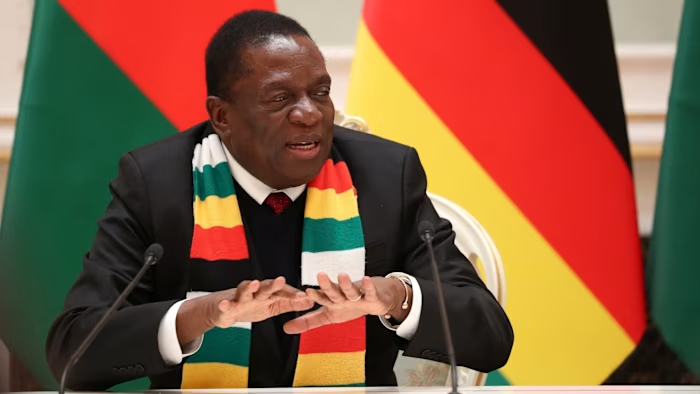
Debate is intensifying in Zimbabwe after senior Zanu-PF officials proposed sweeping constitutional amendments that would extend the presidential term from five to seven years and shift the election of the Head of State from a direct popular vote to Parliament.
The proposals, which are yet to be formally tabled before the National Assembly, have already stirred political debate, with critics describing them as a fundamental alteration of Zimbabwe’s democratic framework.
Under the current Constitution, adopted in 2013, the President is elected by popular vote and serves a five-year term, renewable once. However, ruling party insiders have reportedly argued that extending the term to seven years would promote policy continuity and reduce the cost of frequent elections.
Supporters of the proposed amendment say a longer presidential term would allow the government to implement long-term economic reforms without the disruptions associated with election cycles.
“There is need for stability and policy consistency,” a senior Zanu-PF official was quoted as saying. “Seven years would give the Executive adequate time to implement national development programmes.”
President Emmerson Mnangagwa, who is serving his second and final term under the current Constitution, has not publicly confirmed seeking another term. However, party loyalists have increasingly called for what they term “constitutional alignment” to allow him to continue leading beyond the existing limits.
The second proposal that Parliament elect the President has drawn even sharper scrutiny. Advocates argue that such a system could reduce electoral tensions and align Zimbabwe with parliamentary democracies where lawmakers choose the head of government.
Legal analysts, however, note that the change would significantly alter the balance of power, removing the direct vote of citizens in presidential elections.
ALSO READ: Zambian Government Seizes Former President Edgar Lungu ’s Family Assets in Landmark Ruling
“Electing the President through Parliament would fundamentally reshape Zimbabwe’s governance model,” said a Harare-based constitutional lawyer. “It would require not only a constitutional amendment but likely a national referendum.”
Opposition parties and civil society organisations have condemned the proposals, warning that altering presidential term limits risks undermining democratic gains secured over the past decade.
“These reforms appear designed to entrench power rather than strengthen institutions,” an opposition spokesperson said.
Political observers say any attempt to amend term limits could prove controversial, particularly given Zimbabwe’s history of constitutional changes linked to executive authority.
For the amendments to take effect, they would need approval by a two-thirds majority in Parliament and potentially endorsement through a referendum, depending on the nature of the changes.
As debate grows, attention now turns to whether the government will formally table the amendments — and how Zimbabweans will respond to proposals that could redefine the country’s political future.
