

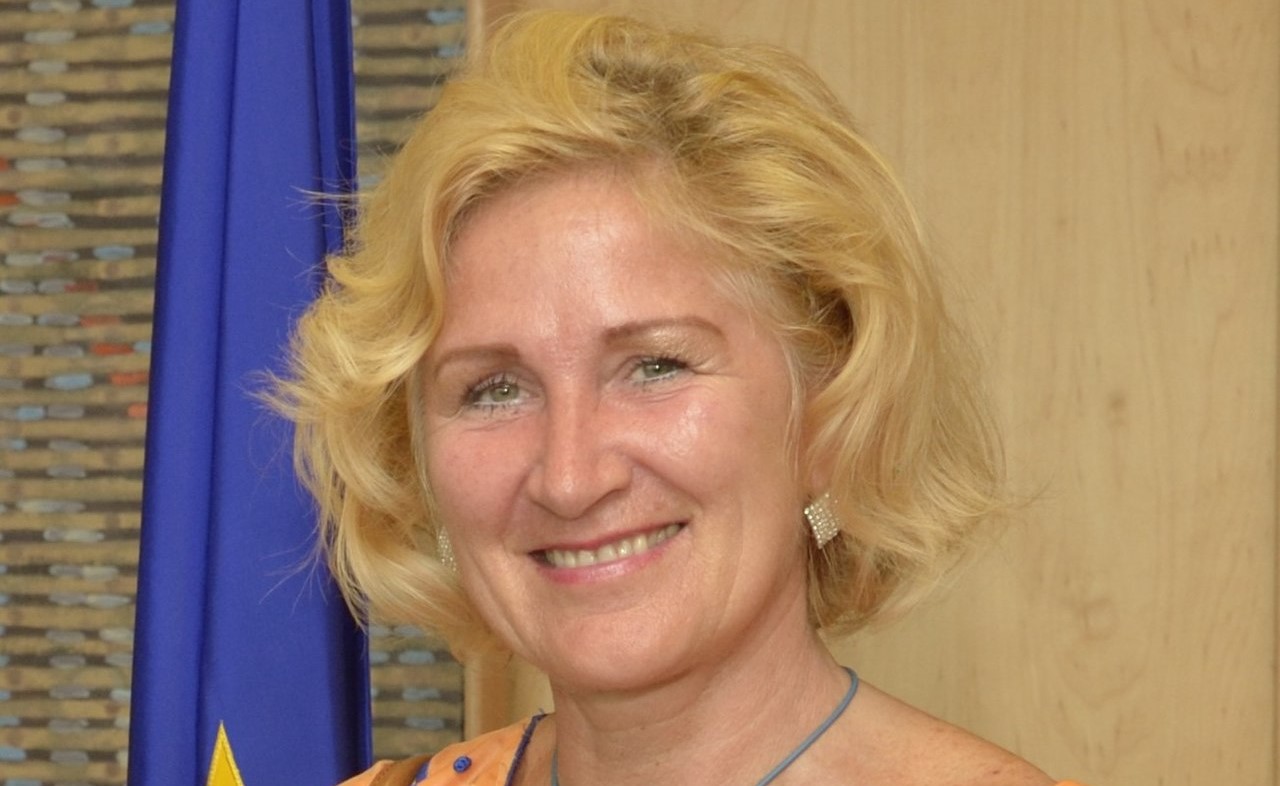
Uganda’s Ambassador to Belgium, the European Union and Benelux, Mirjam Blaak Sow, has been summoned by the European Parliament amid mounting political pressure following Uganda’s January 2026 general elections.
The development comes in the wake of a formal petition and diplomatic lobbying efforts linked to opposition leader Robert Kyagulanyi, who has challenged the credibility of the 15 January polls and alleged widespread human rights violations in the aftermath of the vote.
On 12 February, the European Parliament adopted a resolution expressing concern over what it described as irregularities, intimidation, violence and restrictions on political actors during and after the elections. The resolution further cited reports of arbitrary arrests and suppression of dissent, prompting calls for accountability and closer scrutiny of Kampala’s conduct.
Parliamentary officials confirmed that Ambassador Mirjam Blaak was invited to appear before lawmakers in Brussels to respond to concerns raised in the resolution. The session, expected next week, will focus on electoral processes, post-election security operations and the state of civil liberties in Uganda.
Sources within European diplomatic circles indicate that lobbying by Kyagulanyi and his allies in Europe including outreach to Members of the European Parliament (MEPs) and civil society actors — intensified after the elections, adding momentum to calls for debate within EU institutions. While the European Parliament operates independently, analysts say such advocacy can influence agenda-setting and parliamentary scrutiny.
Kyagulanyi, who has previously petitioned international bodies over alleged electoral malpractice, has maintained that international pressure is necessary to safeguard democratic standards in Uganda. His supporters argue that external oversight helps amplify domestic accountability efforts.
The Ugandan government, however, has consistently defended the integrity of its electoral process, with officials maintaining that the polls were conducted in accordance with national laws. Kampala has also pushed back against what it views as external interference in its internal affairs.
Ambassador Blaak, who has represented Uganda in Brussels for over a decade, now faces the delicate task of defending Kampala’s position at a time when Uganda and the European Union are marking 50 years of diplomatic relations. The EU remains one of Uganda’s key development and trade partners, with cooperation spanning infrastructure, governance, energy and private sector support.
Diplomatic observers note that while such summons are not unprecedented, they signal heightened political attention. Depending on the outcome of the engagement, discussions could influence future parliamentary recommendations, including debates around aid conditionality or targeted measures.
The upcoming exchange is therefore seen as a significant moment in Uganda–EU relations, placing Ambassador Blaak at the centre of a broader contest between domestic political contestation and international diplomatic scrutiny.
ALSO READ: EU Parliament Resolution Boosts Bobi Wine’s International Advocacy.
