
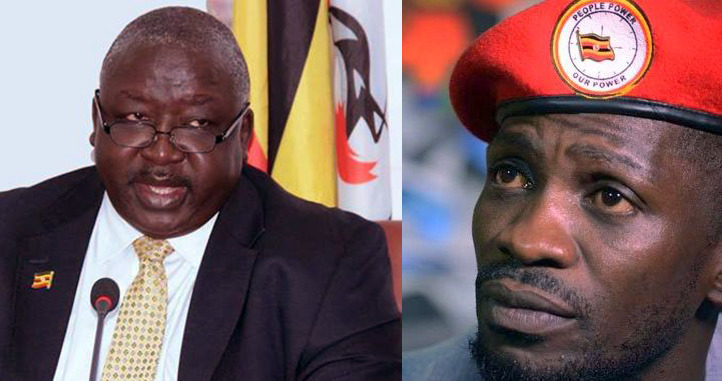
Uganda’s State Minister for Foreign Affairs (International Affairs), Henry Oryem Okello, has warned that opposition leader Bobi Wine could face treason charges if he returns to the country, escalating tension between Kampala and European lawmakers preparing to host a debate on Uganda’s post‑election situation. Oryem’s remarks underscore the deepening political polarization following the disputed 15 January 2026 general election, in which President Yoweri Museveni was declared winner.
Oryem Okello, a veteran diplomat and lawyer who has served as State Minister for Foreign Affairs since 2004, told local media over the weekend that the government views comments made by Wine at international forums as potentially hostile to the state, and could form the basis for treason prosecution. His remarks appear aimed at pre‑empting what he described as foreign interference in Uganda’s internal affairs ahead of a scheduled European Parliament meeting on 23 February with Uganda’s ambassador.
The looming meeting in Brussels comes after the European Parliament adopted a strong resolution on 12 February condemning alleged abuses during and after the election, including intimidation and violence against opposition figures like Wine, and calling for their safety and release from arbitrary detention. The resolution also urges a review of EU cooperation with Uganda and respect for democratic norms.
Kyagulanyi petition piles pressure as EU Parliament summons Uganda envoy Mirjam Blaak.
Oryem suggested that if Uganda’s envoy were to participate in Monday’s session, it would amount to acquiescing to what the government sees as external pressure on sovereign matters, hinting that Kampala might reconsider its engagement. Analysts say such a boycott by Uganda’s diplomatic mission could widen the diplomatic rift and undermine ongoing cooperation efforts on trade, aid and security between Uganda and the EU.
In his statement, the minister reiterated the government’s position that Uganda will defend its sovereignty, insisting that electoral and legal processes remain internal issues. He criticized what he described as mischaracterizations of national events by foreign actors, positioning Kampala’s stance as one of resistance to what he sees as undue external influence.
The warning against Wine is rooted in historical events dating back to August 2018, when he was arrested during the Arua Municipality by‑election period and initially charged with treason and other offences related to violence during a campaign event. Although those original charges were later dropped and replaced with lesser counts and he was released on bail the episode highlighted the fraught relationship between the opposition and the state.
In recent weeks, Bobi Wine, whose real name is Robert Kyagulanyi Ssentamu, has been in hiding following the January election results that he and his supporters reject as fraudulent, and has been vocal in international forums about alleged rights abuses, internet shutdowns and suppression of dissent in Uganda. The European Parliament’s resolution reflects significant concern about these allegations and calls for improved electoral transparency, respect for civil liberties, and accountability for abuses.
Political analysts say a boycott of the European Parliament meeting by Uganda’s ambassador could signal a diplomatic escalation that might affect bilateral relations, including development assistance and strategic partnerships. With the opposition already under intense pressure at home, the government’s public posture on this issue may reinforce narratives of defending sovereignty, even as critics — including civil society and international observers — call for greater adherence to democratic principles and legal fairness.
ALSO READ: EU Parliament Resolution Boosts Bobi Wine’s International Advocacy.
