

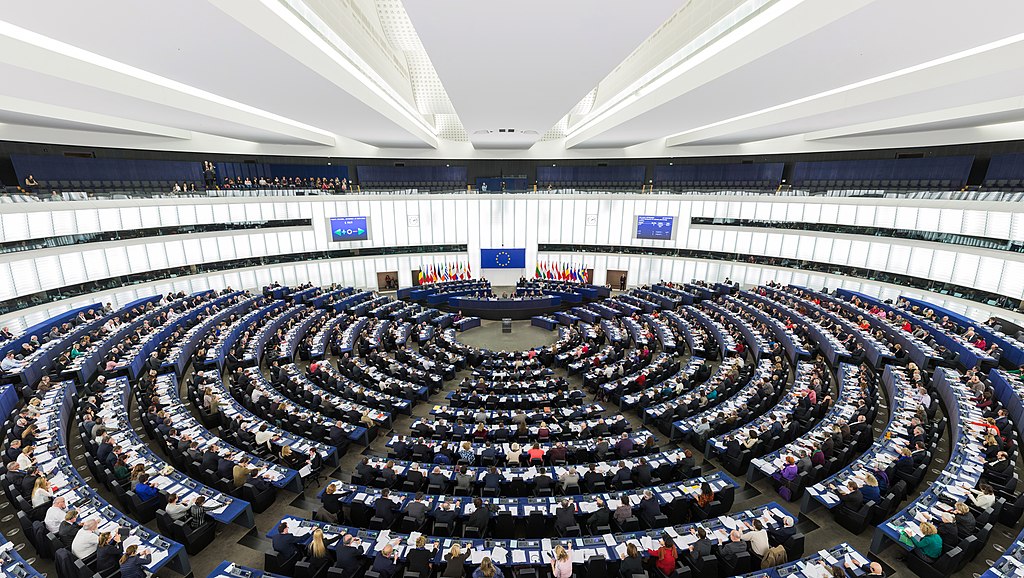
The European Parliament has strongly condemned the conduct of Uganda’s general elections held on January 15, 2026, describing the polls as marred by widespread intimidation, violence, fraud and a nationwide internet blackout.
In a resolution adopted on Thursday by 514 votes in favour, three against and 56 abstentions, Members of the European Parliament (MEPs) expressed deep concern over what they termed systematic abuses targeting opposition figures, civil society organisations and journalists in the aftermath of the vote.
The lawmakers singled out the suspension of civil society groups and the “significant threats and intimidation” directed at opposition leaders, including National Unity Platform (NUP) leader and presidential candidate Robert Kyagulanyi, also known as Bobi Wine, and veteran opposition politician Dr Kizza Besigye.
Parliament called for the “immediate and unconditional release” of the two leaders and all other individuals arbitrarily detained following the elections. The resolution also denounced the killing of NUP supporter Mesach Okello and demanded accountability.
MEPs further urged Ugandan authorities to end the use of military courts to try civilians, arguing that such practices undermine constitutional guarantees and the right to a fair trial. They called for stronger judicial safeguards and demanded the disclosure of the whereabouts of all persons reported missing during and after the electoral period.
The January polls were conducted amid tight security deployment across major urban centres and a nationwide shutdown of the internet, which critics say curtailed free expression and limited independent reporting and election monitoring.
What Ugandans Should Expect From Today’s EU Parliament Vote on Uganda
In their resolution, the MEPs urged Kampala to undertake comprehensive electoral and institutional reforms to restore public trust in the democratic process. They also called on authorities to refrain from imposing further internet restrictions, noting the impact of digital blackouts on civic participation and economic activity.
The European Parliament asked the European Union and its member states to review their cooperation with Uganda to ensure alignment with EU principles, including respect for human rights and democratic governance. It called for critical engagement with Ugandan authorities while prioritising support for civil society organisations, human rights defenders, LGBTIQ+ activists and journalists.
Finally, the lawmakers pressed for independent and impartial investigations into alleged crimes against humanity committed by political and military leaders, stressing the need for accountability and justice for victims of election-related violence.
ALSO READ: What Ugandans Should Expect From Today’s EU Parliament Vote on Uganda
