

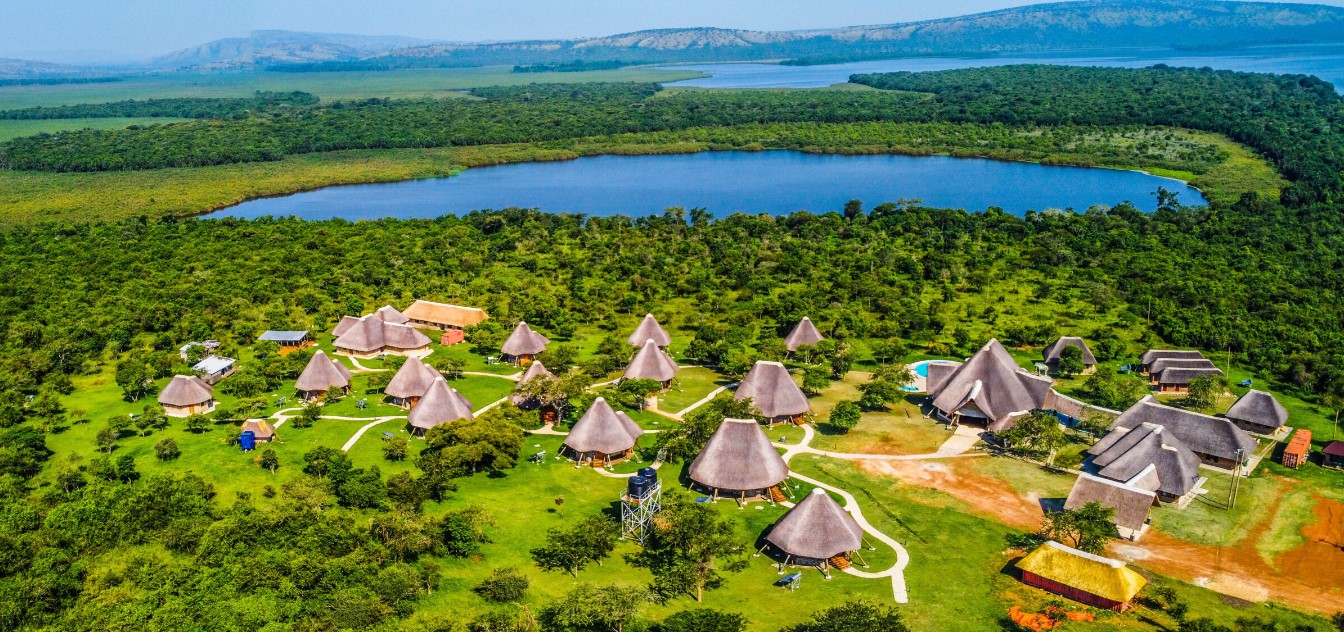
Located about 240 kilometres west of Kampala along the Masaka–Mbarara highway, Lake Mburo National Park is home to one of Uganda’s most understated natural treasures—Lake Mburo. While it is the smallest of Uganda’s national parks, its ecological and tourism value remains significant.
Lake Mburo lies at the centre of the park and is part of a wider system of five lakes connected by wetlands. These water bodies form the backbone of the park’s ecosystem, sustaining wildlife throughout the year, especially during dry seasons. The lake itself is surrounded by rolling savannah, acacia woodland and papyrus swamps, creating a landscape that is both scenic and biologically rich.
The lake plays a critical role in supporting wildlife. It is home to large populations of hippos and crocodiles, while the surrounding grasslands provide grazing grounds for zebras, impalas, buffaloes and elands. Unlike many other protected areas in Uganda, Lake Mburo National Park has no elephants, which allows for the growth of open savannah vegetation that supports a unique mix of species.
Lake Mburo is also a key site for bird conservation. With more than 300 recorded bird species, the lake and its wetlands attract birdwatchers from across the region. Species such as the African finfoot, papyrus gonolek and fish eagle are commonly spotted along the lake shores, making it one of the best birding destinations in the country.
Beyond biodiversity, Lake Mburo is important for conservation and community livelihoods. The park exists in a landscape where pastoral communities live close to wildlife, and efforts have been made to promote coexistence through tourism, conservation education and controlled resource use. Revenue generated from tourism activities helps support local development projects, including schools and health centres.
For visitors, Lake Mburo offers a different kind of safari experience. Its proximity to Kampala makes it ideal for short visits and weekend getaways. Activities such as boat cruises on the lake, guided nature walks, cycling safaris and game drives allow tourists to experience wildlife at close range in a calm and uncrowded setting.
Lake Mburo may not have the dramatic scale of larger parks, but its charm lies in its simplicity and accessibility. It represents an important reminder that conservation does not only happen in vast wilderness areas, but also in smaller ecosystems that quietly sustain wildlife, people and the environment.
As Uganda continues to promote tourism and environmental protection, Lake Mburo stands out as a destination worth preserving—and visiting.

1 Comment
Pingback: Ilhan Omar Attacked with ‘Unknown Liquid’ During Minneapolis Town Hall - Mukono News