

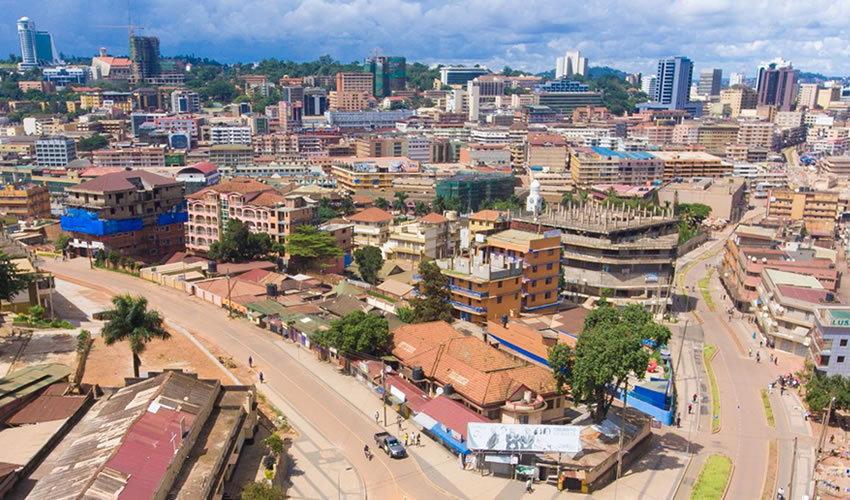
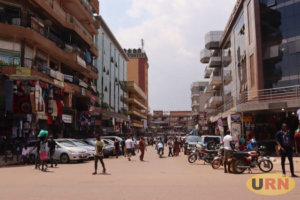
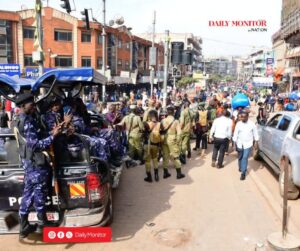
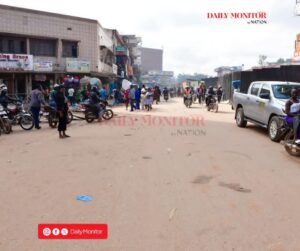
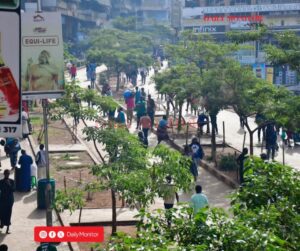
Kampala’s central business district was unusually clear of street vendors yesterday as the Kampala Capital City Authority (KCCA), backed by police and enforcement teams, executed a directive to remove vendors, unplanned structures and informal stages from major roads, walkways and road reserves.
The enforcement operation which began late Thursday evening after the expiry of a two-week ultimatum for traders to vacate public spaces saw makeshift stalls, wooden kiosks and goods displayed along busy routes dismantled and cleared.
KCCA officials said the drive was aimed at restoring order, easing congestion, improving sanitation and safeguarding infrastructure. In a statement on Thursday, State Minister for Kampala and Metropolitan Affairs Kabuye Kyofatogabye said authorities would enforce compliance and warned that traders found on streets after the deadline risked arrest or impoundment of their merchandise.
KCCA spokesperson Daniel Nuweabiine confirmed that enforcement teams “cleaned up” the city centre, removing items vendors had left behind, and that resistance was limited.
The clearance drew mixed reactions from residents and traders. Some city dwellers welcomed the move, noting easier movement along formerly congested walkways. Others – particularly informal traders expressed frustration and anxiety over losing their places of business with limited alternative options.
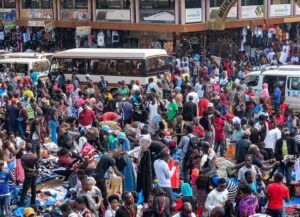
John Kabanda, president of the Federation of Uganda Traders’ Association (FUTA), described the operation as “long overdue” but urged authorities to address wider challenges such as high rental costs and to consider evening markets to support vulnerable traders.
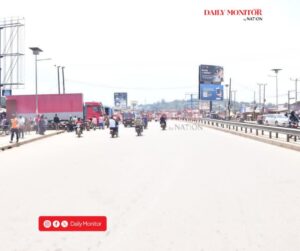

Following the street clearance, several designated markets recorded a surge in vendor registrations, with traders seeking formal stalls to continue their businesses. Market officials in Busega, Usafi and Kamwokya reported significant interest from previously street-based traders.
Officials maintain that over 4,000 vacant stalls are available in KCCA-managed markets within and on the outskirts of Kampala, and they encourage traders to relocate and formalize their operations.
Despite the relocation efforts, some vendors remain skeptical, citing poor market infrastructure or low customer footfall in designated spaces. They argue that limited accessibility and high rental rates at formal markets could undermine their livelihoods and potentially push some back to street selling.
As enforcement continues, city authorities insist that orderly trading environments and improved urban mobility are critical to Kampala’s growth.
ALSO READ: Balimwezo Ends Lukwago’s 15-Year Hold on Kampala Lord Mayoral Seat.
