

The United States has escalated pressure on Uganda after General Muhoozi Kainerugaba, Chief of Defence Forces and son of President Yoweri Museveni, was rebuked by a top U.S. lawmaker for a series of controversial social media posts that threatened to undermine bilateral security cooperation.
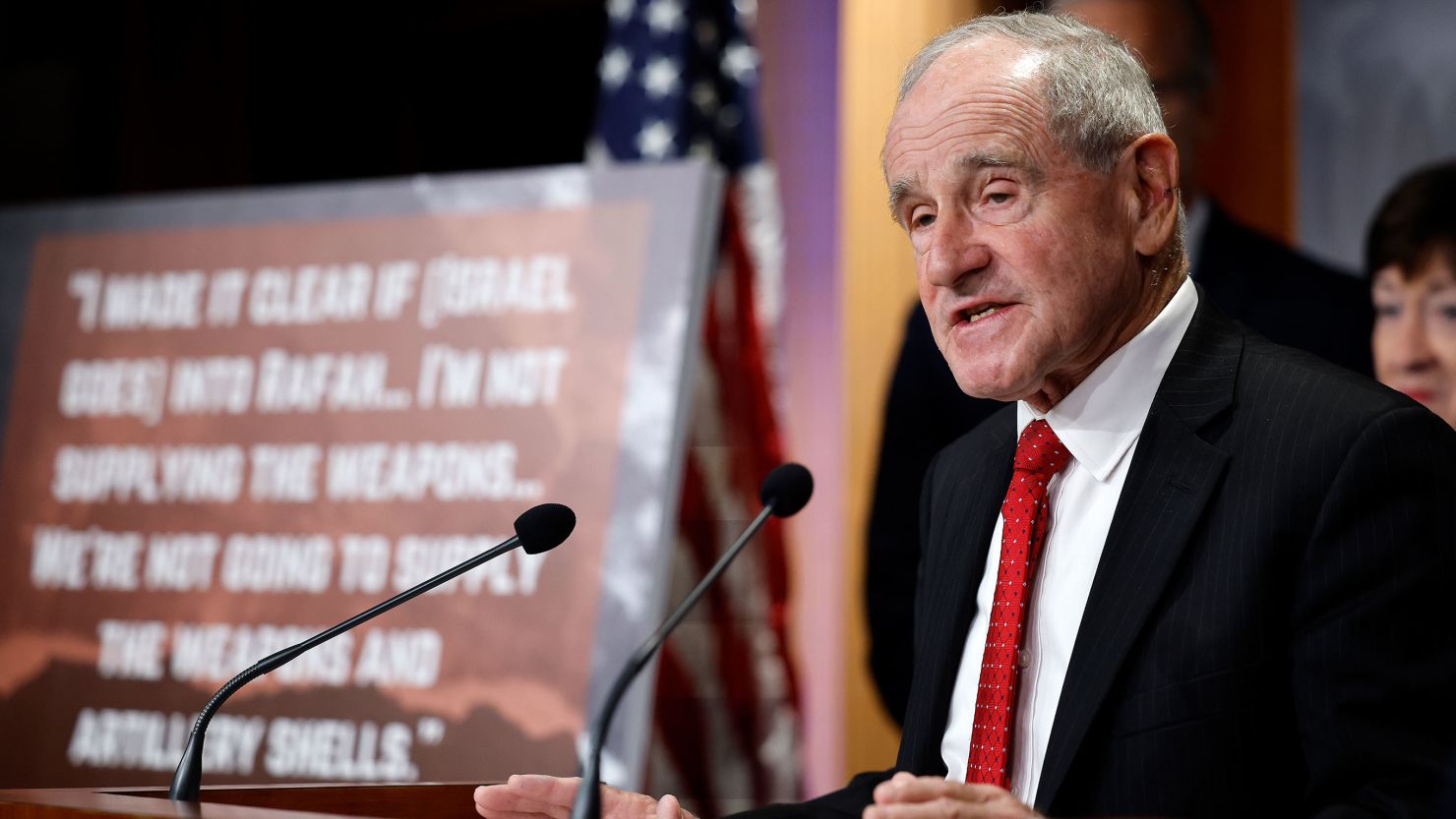
In a strongly worded message on X, Senator Jim Risch, Republican chairman of the Senate Foreign Relations Committee, said Muhoozi “has crossed a red line” with his statements and that a simple apology was not enough to repair trust between the two countries.
“Commander Muhoozi Kainerugaba has crossed a red line and now the U.S. must reevaluate its security partnership, which includes sanctions and military cooperation with Uganda,” Risch wrote, criticizing what he called “reckless” comments that could threaten U.S. personnel and interests in the region.
The remarks followed a contentious series of posts on X by the military commander, in which he accused officials at the U.S. Embassy in Kampala of helping opposition leader Bobi Wine evade security forces in Uganda — claims that were later deleted.
Muhoozi subsequently issued an apology, saying he had acted on incorrect information, had spoken with the U.S. ambassador, and that military cooperation would continue as usual.
“I want to apologise to our great friends the United States for my earlier tweets that I have now deleted… everything is okay. We are going to continue our military cooperation as usual,” he posted.
But Washington has made clear that the apology did not satisfy senior lawmakers, who said it falls short of addressing deeper concerns over diplomatic conduct and accountability.
Senator Risch has openly urged U.S. policymakers to reconsider Kampala’s role in joint security initiatives including peacekeeping operations and counterterrorism cooperation — and has suggested the possibility of targeted sanctions on Ugandan officials if provocative behavior continues.
“The president’s son and likely successor cannot just delete tweets and issue hollow apologies,” Risch said, signaling broader frustration with what some in Washington view as destabilizing rhetoric from Uganda’s military leadership.
While the United States has long regarded Uganda as a security partner in East Africa, the latest row threatens to complicate cooperation at a time when shared interests include combating terrorism and maintaining regional stability in places such as Somalia and the Great Lakes region.
US Senator Risch Calls Museveni Polls a ‘Hollow Exercise,’ Flags Muhoozi for Possible Sanctions
The diplomatic clash has unfolded against the backdrop of Uganda’s disputed January 15, 2026 presidential election, which international observers and some U.S. lawmakers described as flawed. Critics say tensions within Uganda’s political landscape have heightened scrutiny of Kampala’s international relationships.
Experts warn that continued strain in US–Uganda relations could have ripple effects from reducing intelligence sharing to impacting joint military training programmes and peacekeeping missions. How Kampala responds to congressional pressure and demands for accountability may shape the strategic partnership for years to come.
ALSO READ: Muhoozi Accuses U.S. Embassy of Aiding Bobi Wine’s Escape, Suspends Military Cooperation
