

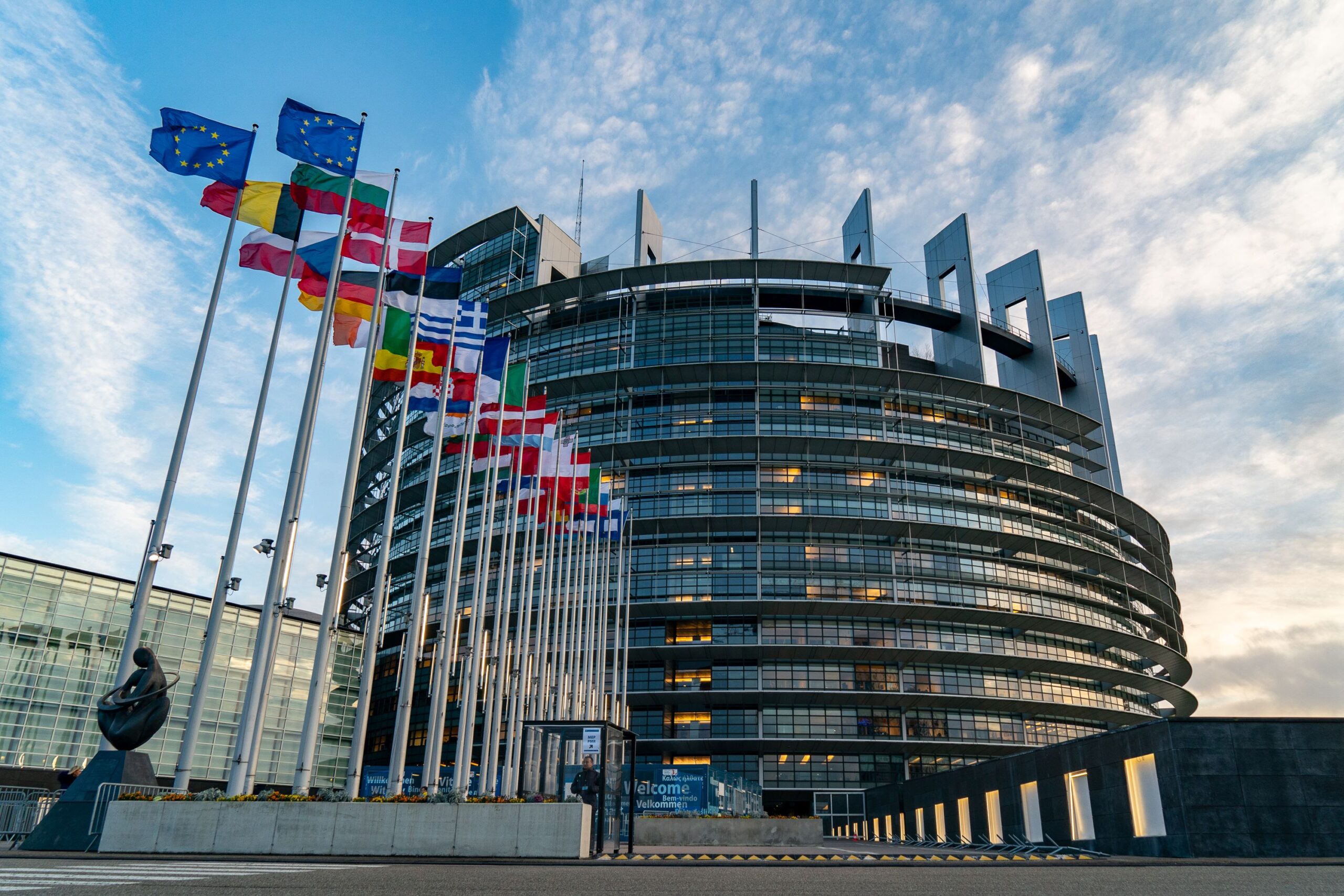
Ugandans are closely watching developments in Europe today as the European Parliament is set to vote at noon Brussels time on a resolution addressing the post-election situation in Uganda and specific threats against opposition leader Bobi Wine.
The vote comes nearly a month after the January 15 general elections, where President Yoweri Museveni was declared the winner with roughly 72% of the vote — a result rejected by Mr. Wine and the National Unity Platform (NUP), citing alleged fraud and intimidation.
What the EU Parliament Resolution is Likely to Include
According to debates held on Wednesday, European lawmakers are expected to adopt a strong stance on Uganda’s post-election environment, focusing on the following:
- Condemnation of Election Irregularities
The Parliament is likely to declare that the January elections were neither free nor transparent, highlighting a nationwide internet blackout, restrictions on opposition rallies, and limited media coverage during the campaign. - Protection of Bobi Wine and Opposition Supporters
Lawmakers are expected to call for the unconditional release of Bobi Wine from de facto house arrest and for the cessation of threats against him and his supporters. Reports of raids on his home and intimidation of his family are expected to feature prominently in the resolution. - Targeted Sanctions
The resolution may recommend individual sanctions under the EU Magnitsky Act against officials or security agencies responsible for human rights violations. While non-binding, this signals that European authorities are closely monitoring accountability in Uganda. - Review of EU Aid
The Parliament is expected to urge the European Commission to consider redirecting development funds away from the government toward civil society organizations and independent media, aiming to strengthen democratic processes and human rights protection. - Call for Investigations
Lawmakers may demand independent investigations into state-led violence and intimidation during and after the elections, including the treatment of protesters and political activists.
While the resolution itself does not directly change policies in Uganda, it carries significant diplomatic weight. It signals to the Ugandan government that the European Union is watching the country’s governance and human rights situation closely. Analysts say such resolutions often influence future EU-Uganda cooperation, particularly regarding aid and international partnerships.
ALSO READ: EU Parliament Turns Heat on Museveni Over Disputed Polls
