

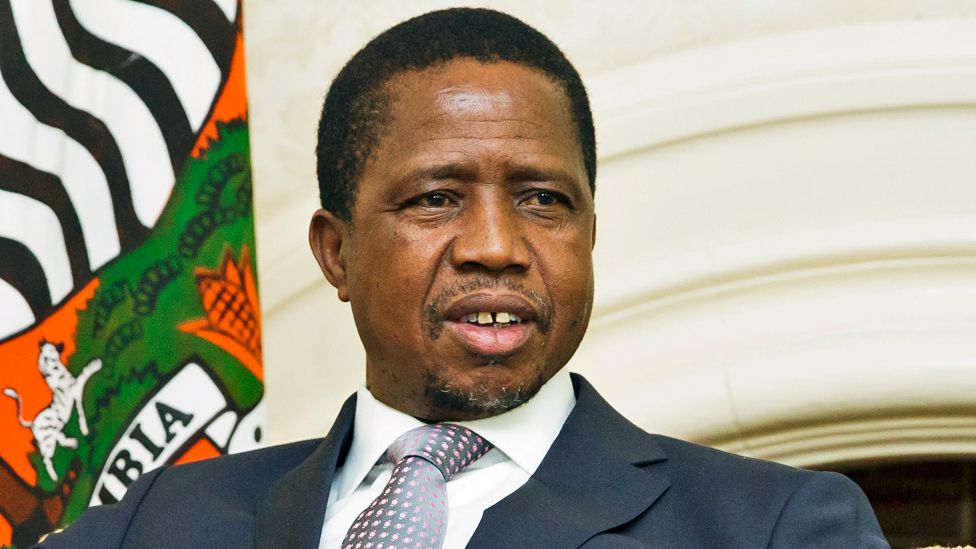
The Zambian government has taken possession of a substantial portfolio of properties linked to the late former President Edgar Lungu ’s family, following a High Court ruling that found the assets were “reasonably suspected to be proceeds of crime.”
In a ruling delivered on 10 February 2026, the Lusaka High Court’s Economic and Financial Crimes Court ordered the forfeiture of assets valued at more than K24 million (about US$1.3 million) belonging to Dalitso Lungu, the son of the former head of state.
According to the judgment, the State will take possession of over 69 motor vehicles and 23 parcels of land, including real estate such as luxury flats, an executive residence, and commercial properties such as a petrol station and shopping mall in Lusaka.
The court found that investigations into Mr. Lungu’s financial affairs raised serious concerns, particularly over repeated nil tax returns submitted to the Zambia Revenue Authority, which suggested no legitimate income capable of supporting his extensive property holdings.
Under Zambia’s Forfeiture of Proceeds of Crime Act (2010), the State can seize assets suspected to have been acquired through unlawful conduct even in the absence of a criminal conviction, provided a court is satisfied there is a reasonable link between the property and suspected illicit activity.
The Director of Public Prosecutions, Gilbert Phiri, brought the forfeiture application, arguing that Mr. Lungu had failed to adequately explain the sources of wealth used to acquire the disputed assets.
The ruling has sparked heated reactions across Zambia’s political landscape. Supporters of the former president’s Patriotic Front (PF) party denounced the move as politically motivated, while allies described it as an “assault” on the late president’s legacy and a continuation of pressure against his family.
Anthony Chibuye, spokesperson for the Forum for Democracy and Development (FDD), accused the judiciary and government of colluding to target the Lungu family during a period of national mourning and political transition.
The government, however, has emphasised that the court’s decision was grounded in Zambia’s laws governing the forfeiture of proceeds suspected to be linked to crime, and insisted that the matter was a legal, not political, process.
The late Edgar Lungu, who led Zambia from 2015 until his defeat in the 2021 elections, passed away in June 2025 in South Africa, where his body has since remained amid a legal dispute over repatriation and burial arrangements.
The forfeiture ruling comes amid broader legal and political tensions surrounding Mr. Lungu’s estate and family, including ongoing appeals regarding the repatriation of his remains and previous arrests of family members on suspicion of possessing property suspected to be linked to proceeds of crime.
Critics of the government have warned that such asset seizures must strictly respect rule of law and due process to avoid perceptions of selective justice. Observers say the case could have long-lasting implications for how Zambia addresses corruption and the accountability of public officials after leaving office.
ALSO READ: List of African & international Leaders Who Congratulated Museveni After 2026 Election Victory.
