

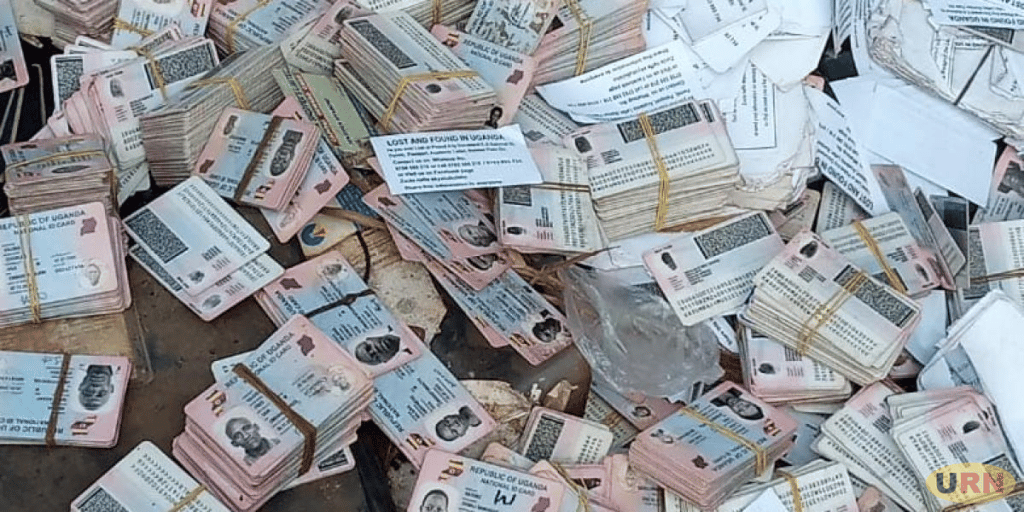
The National Identification and Registration Authority (NIRA) is facing mounting public frustration as over 5.4 million newly printed National ID Cards (NICs) remain uncollected across the country, exposing deep gaps in communication and service delivery ahead of key civic deadlines.
According to official figures released this week, out of more than 7 million NICs produced and dispatched to district offices nationwide, only around 1.5 million have been picked up by applicants — leaving an estimated 5.5 million cards still waiting to be claimed.
The backlog has sparked concerns from citizens, rights advocates, and political leaders who argue that the delays are not only bureaucratic but threaten meaningful access to essential services — including banking, SIM registration, government programmes, and voter registration.
Many Ugandans say they have registered or renewed their IDs months ago some even closer to a year but are yet to receive any notification about when and where to collect their cards.
Civil society advocates and disability groups have also raised alarms about accessibility barriers, including limited outreach and unclear status updates, particularly for persons with disabilities and individuals in rural communities.
Local lawmakers have openly criticized NIRA’s apparent inability to streamline distribution.
Mr. Francis Zaake, Mityana Municipality MP, described the backlog as a “failure of public service delivery” and urged the Ministry of Internal Affairs to hold responsible officials accountable.
“The millions of uncollected cards reflect poor planning and lost opportunities for citizens to fully participate in civic life,” Zaake said.
While NIRA officials have acknowledged the low pickup rates, they say efforts are underway to improve communication platforms, including better messaging systems and tracking services to help applicants know when their cards are ready and where to collect them.
The National Identification and Registration Authority (Nira) says National Identity Cards can only be collected from official government-designated centres, warning the public against dealing with middlemen.
According to Nira, applicants are required to pick their cards from the district offices where they initially registered, which remain the main collection points across the country. In cases where mass registration or verification exercises are ongoing, cards may also be issued at sub-county, town council or municipal division offices hosting the outreach activities.
Nira further notes that in selected areas, particularly hard-to-reach communities, mobile registration and distribution teams are deployed to deliver cards during scheduled field operations.
Some applicants, especially those whose records required correction or verification, may be directed to collect their cards from regional Nira offices, following guidance from district officials.
The authority emphasises that collection of National Identity Cards is free of charge, and advises citizens to present their registration slips or National Identification Numbers (NINs) when collecting the documents.
However, many applicants say limited communication from Nira, unclear collection timelines and transport costs continue to hinder access to the collection centres, contributing to the growing number of uncollected cards nationwide.
ALSO READ: Finance Trust Bank Downgrades Its Licence: What It Means for Customers and What Comes Next
