

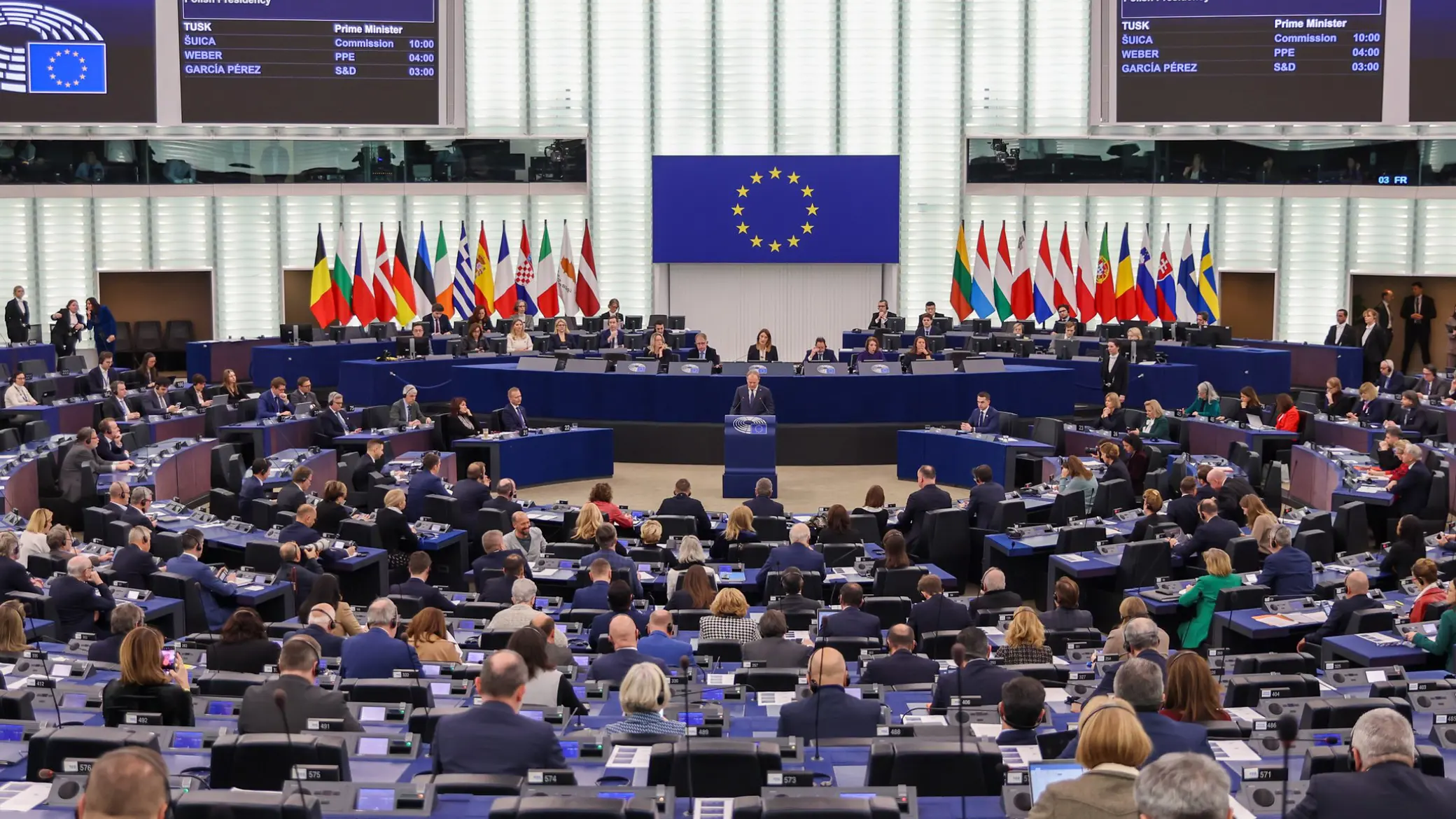
The European Parliament on Wednesday night debated Uganda’s recent general elections, with several Members of the European Parliament (MEPs) raising concerns about the electoral environment, human rights and political freedoms.
During the session in Brussels, lawmakers questioned whether the polls met international democratic standards, citing reports of restrictions on opposition rallies, arrests of political actors and limitations on media coverage during the campaign period. Some MEPs urged the European Union’s external action service to engage Kampala on reforms aimed at strengthening electoral transparency and accountability.
The debate comes weeks after President Yoweri Museveni was declared winner by the Electoral Commission, extending his decades-long leadership of the country. Museveni, who has been in power since 1986, has consistently maintained that Uganda’s elections are conducted in accordance with the Constitution and reflect the will of the people.
In his post-election remarks, President Museveni dismissed allegations of irregularities, describing the polls as “peaceful and credible.” He has repeatedly accused sections of the opposition and foreign actors of attempting to undermine Uganda’s sovereignty through what he calls “unfounded claims.”
However, the main opposition candidate, Mr Robert Kyagulanyi Ssentamu popularly known as Bobi Wine rejected the election outcome, alleging widespread irregularities and intimidation of his supporters. Mr Kyagulanyi said the process was marred by security deployments and what he described as voter suppression in opposition strongholds. He has called for international scrutiny and electoral reforms.
Speaking during Wednesday’s debate, several European lawmakers referenced the contest between Mr Museveni and Mr Kyagulanyi, framing it as emblematic of broader generational and governance questions in Uganda’s politics. While the EU stopped short of announcing immediate punitive measures, some MEPs hinted at the possibility of reviewing aspects of cooperation should concerns remain unaddressed.
Analysts say the European Parliament’s discussion, though not binding on EU member states, carries political weight and could influence future engagement between Kampala and Brussels.
For President Museveni’s government, the scrutiny signals continued pressure from Western partners on governance and human rights issues. The EU remains one of Uganda’s key development partners, supporting programmes in governance, infrastructure, health and refugee management. Any shift toward stricter conditionalities could affect aspects of that cooperation.
At the same time, Uganda’s government has historically pushed back against external criticism, arguing that electoral matters are a domestic affair. Government officials often point to Uganda’s stability and economic growth as indicators of progress under Museveni’s leadership.
For Mr Kyagulanyi and the opposition, the debate in Brussels provides renewed international attention to their claims and may strengthen calls for institutional reforms, including changes to the Electoral Commission and security sector conduct during elections.
Despite the concerns raised, observers note that the EU must balance its democracy agenda with strategic interests in the region. Uganda plays a central role in regional peacekeeping missions and hosts one of the largest refugee populations in Africa — areas where cooperation with European partners remains significant.
As discussions continue in European institutions, attention now turns to how Kampala will respond diplomatically and whether the debate will translate into concrete policy shifts.
For now, the exchange underscores the enduring contest between President Museveni’s long-standing administration and Mr Kyagulanyi’s opposition movement — a rivalry that continues to shape Uganda’s domestic politics and its international image.
ALSO READ: NUP leader Bobi Wine makes a communication after going 1 week silent off social media
