

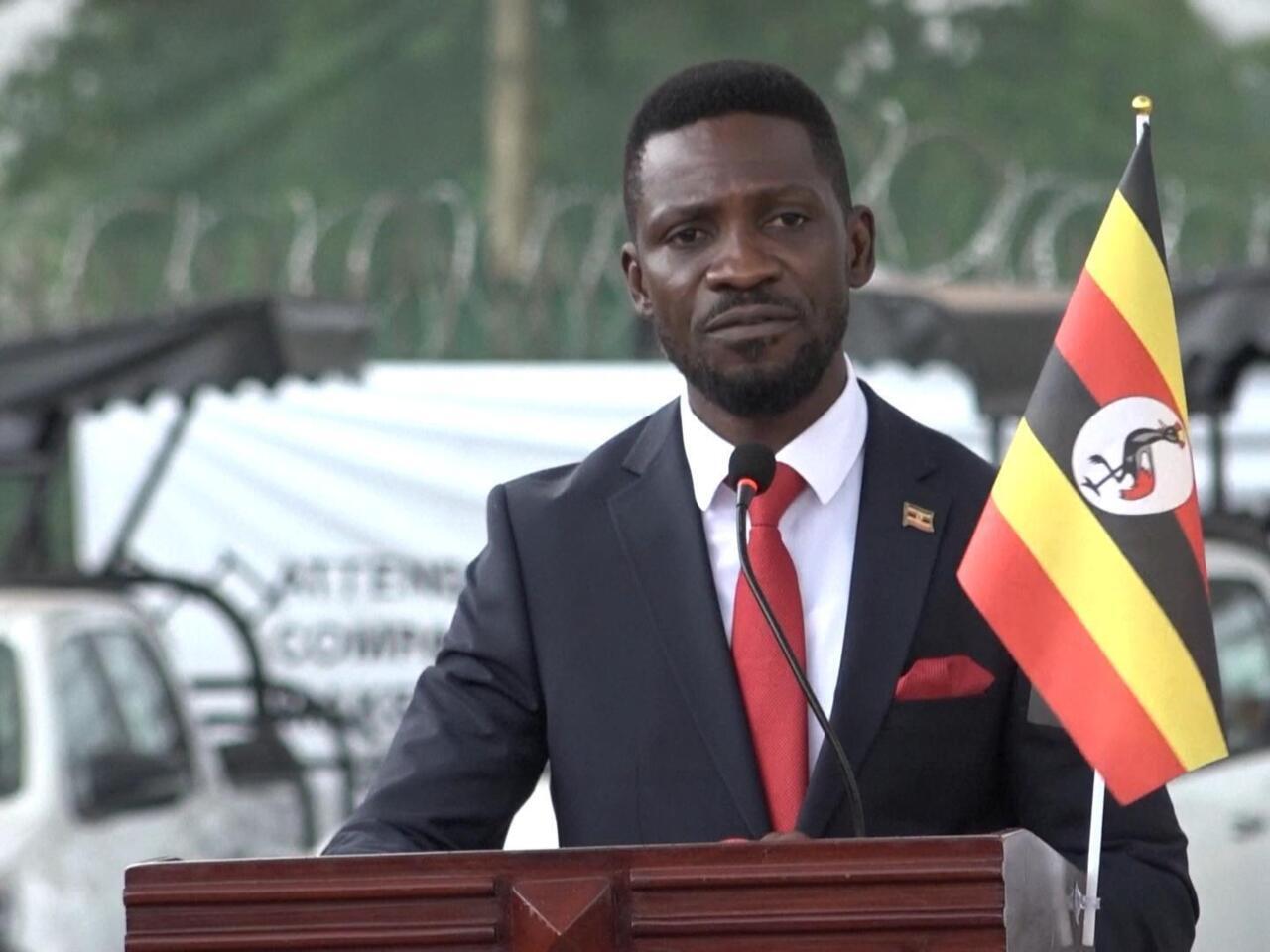
Opposition leader Robert Kyagulanyi Ssentamu, popularly known as Bobi Wine, has gained a political boost following yesterday’s European Parliament resolution urging independent investigations into alleged post-election abuses in Uganda. Analysts say the resolution strengthens Bobi Wine’s international advocacy, even though it does not directly trigger action at the International Criminal Court (ICC).
The resolution condemned alleged intimidation, arbitrary detentions, internet shutdowns and violence surrounding the January 15, 2026 presidential election. It also called for the immediate release of opposition figures, including Bobi Wine, and urged the Ugandan government to allow independent investigations into possible crimes against humanity.
While the European Parliament resolution carries no binding legal force, observers say it creates a platform for Bobi Wine to amplify claims of human rights abuses, strengthen diplomatic advocacy, and maintain international attention on Uganda’s post-election political environment.
Legal experts note that the ICC can only take action through a State Party referral, a UN Security Council referral, or the Prosecutor’s own initiative. The resolution does not constitute a legal referral. However, by highlighting alleged violations at a European legislative level, it provides Bobi Wine with evidence of broad international concern, which can be leveraged in diplomatic channels, reports to UN bodies, and submissions to the ICC.
Strategic Leverage
Observers say Bobi Wine can use the resolution to:
- Push for greater international scrutiny on Uganda’s human rights record.
- Encourage EU member states to condition aid or implement sanctions against officials allegedly involved in abuses.
- Amplify the narrative of systematic human rights violations in Uganda, bolstering his campaign to highlight alleged atrocities internationally.
The resolution echoes previous efforts by Bobi Wine to raise global awareness. In 2021, he released the documentary “Bobi Wine: The People’s President”, detailing alleged state-sponsored atrocities, which received international attention and positioned him as a prominent voice against alleged human rights abuses in Uganda.
Political analysts say the resolution represents a symbolic but potent step. Symbolic because it does not automatically initiate ICC proceedings; potent because it signals widespread European legislative concern and adds pressure on the Ugandan government to respect democratic and human rights standards.
While the ICC has not confirmed any formal investigation into Uganda or Museveni’s administration, the resolution offers Bobi Wine a renewed platform to advance his political and human rights agenda on the international stage.
ALSO READ: Why Museveni and Muhoozi Have Not Been Called Up by the ICC
