

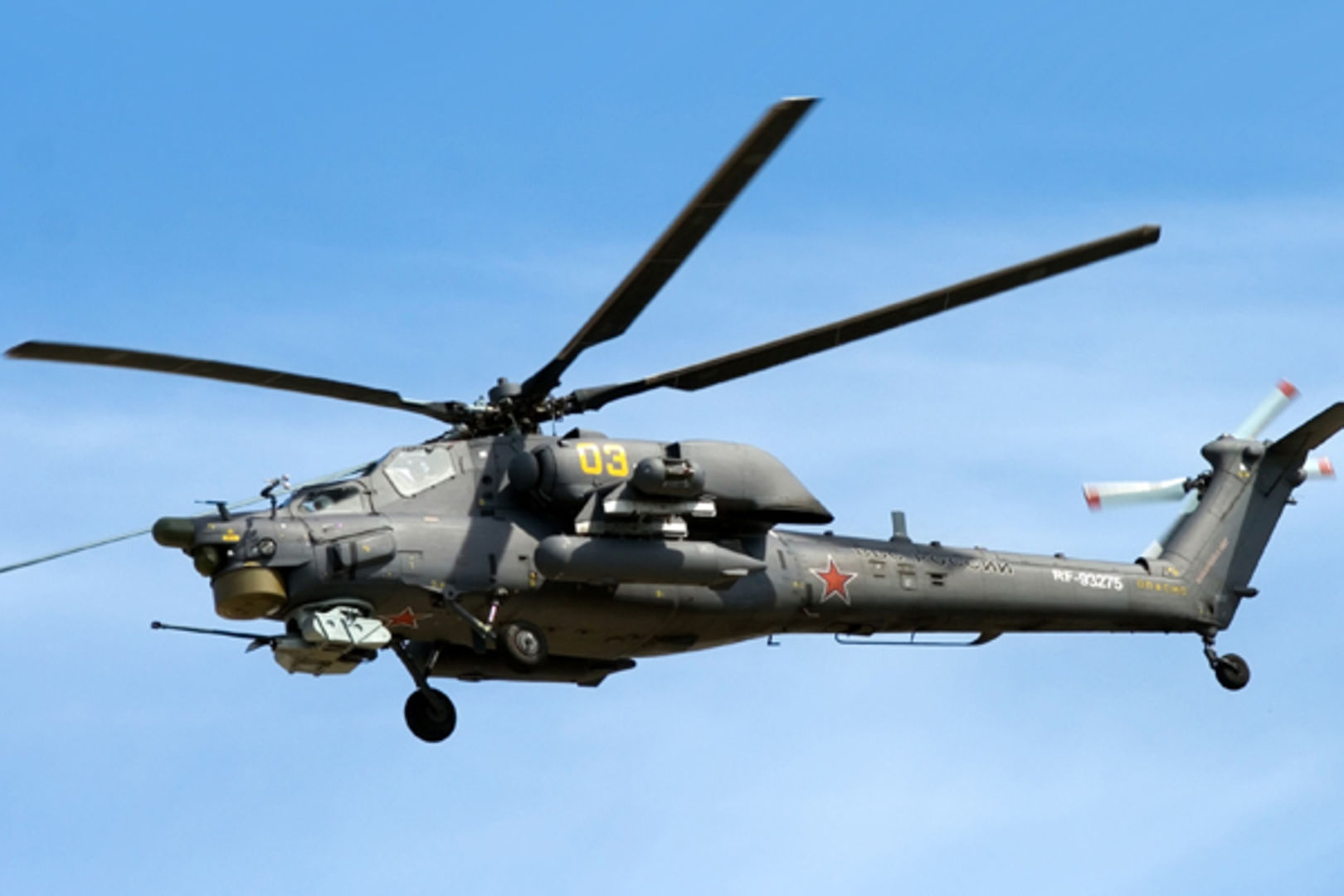
A report by the United Nations has alleged that Uganda helped the government of South Sudan conduct airstrikes that resulted in civilian casualties during fighting in opposition-controlled areas.
According to findings by the UN Commission on Human Rights in South Sudan, joint aerial bombardments by South Sudanese forces and Ugandan troops targeted areas populated by civilians, particularly communities associated with opposition groups.
The report says the attacks mainly affected areas inhabited by members of the Nuer ethnic group, which has been linked to forces loyal to opposition leader Riek Machar.
Ugandan troops are currently deployed in South Sudan in support of the government of President Salva Kiir, following a bilateral security arrangement between the two countries. Ugandan authorities have said the deployment was made at the invitation of the South Sudanese government to help stabilise the country amid escalating conflict.
The UN inquiry indicates that the attacks involved the use of improvised incendiary devices dropped from aircraft, which allegedly burned homes and injured civilians in several locations. One of the incidents highlighted in the report occurred in March 2025 in Wunaliet, about 15 kilometres from the capital Juba, where homes were engulfed in flames after aircraft reportedly dropped containers filled with flammable liquid.
Witnesses quoted in the report told investigators that several civilians were severely burned during the attack.
Flight tracking data analyzed by investigators also indicated that an aircraft that circled the area during the bombing had earlier arrived from Uganda and was operated by the Ugandan army, suggesting coordination between the two militaries.
However, Ugandan authorities have rejected allegations that their forces were involved in attacks on civilians.
Officials from the Uganda People’s Defence Force say Ugandan troops are in South Sudan strictly to support security operations and have not participated in combat operations targeting civilians. They have also denied accusations that Uganda used chemical weapons or barrel bombs in the conflict.
The report further notes that the exact number of operations involving Ugandan forces could not be conclusively established, but investigators said there appeared to be “high degrees of planning, operational integration and command-level authorization” between the two militaries.
Uganda has previously intervened militarily in South Sudan during earlier phases of the country’s conflict, particularly during the civil war between 2013 and 2018, when Uganda backed the government of President Kiir against opposition forces.
The latest allegations come as fighting intensifies in several parts of South Sudan, raising fears that the fragile peace agreement signed in 2018 could collapse.
ALSO READ: Somalia Faces Worst Hunger Crisis in Years Amid Drought Emergency.
