

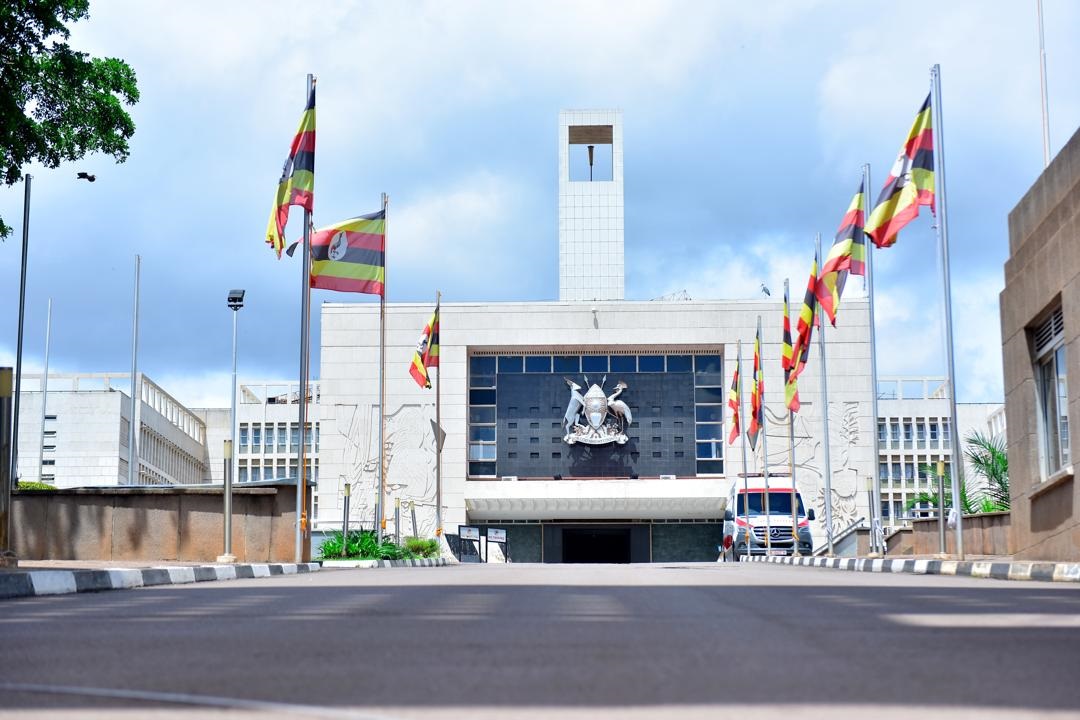
The Parliament of Uganda has withdrawn the Administration of Parliament (Amendment) Bill, 2024 after its mover, Richard Lumu, tabled a motion seeking leave of the House to pull it.
The private member’s bill had generated intense debate within political circles after proposing changes to the manner in which the Leader of the Opposition (LoP) is selected in Parliament.
Among the key proposals in the Bill was a provision seeking to allow all opposition Members of Parliament to vote and elect the Leader of the Opposition instead of leaving the decision to the opposition party with the largest number of MPs in the House.
However, during Thursday’s sitting, Mr Lumu told the House that he decided to withdraw the Bill after the committee report introduced changes that differed from the original proposals he had presented.
“The report was made by the committee, which I am a member of. However, they found out that some of the specific clauses had been removed and other clauses introduced,” Mr Lumu said.
According to him, the newly introduced provisions suggested that if the election of the Leader of the Opposition was to be conducted through voting, it could allow participation beyond opposition ranks.
“They introduced clauses which say that if it is voting, even the ruling party (NRM) will vote,” Mr Lumu told journalists shortly after the parliamentary sitting.
Mr Lumu also revealed that the Bill had been returned to the Order Paper without his knowledge as the mover.
“The Bill was brought back to the Order Paper without informing me,” he said.
Meanwhile, the current Leader of the Opposition in Parliament, Joel Ssenyonyi, welcomed the development, arguing that it would have been legally problematic for Parliament to enact legislation perceived to be targeting an individual or a specific entity.
Speaking to journalists at Parliament, Mr Ssenyonyi said laws should be made to serve the country broadly rather than focusing on particular political actors.
“It is legally not sound to make a law targeting an individual or a specific entity,” he said.
The Bill had attracted criticism from several opposition politicians who argued that the proposed amendments could alter the current structure through which the Leader of the Opposition is appointed.
Under the existing parliamentary arrangement, the Leader of the Opposition is appointed by the political party with the highest number of opposition MPs in Parliament.
Political analysts had warned that the proposed amendments could significantly reshape opposition leadership dynamics within Parliament.
With the withdrawal of the Bill, the current legal framework governing the appointment of the Leader of the Opposition remains unchanged.
ALSO READ: EU Parliament Turns Heat on Museveni Over Disputed Polls
