

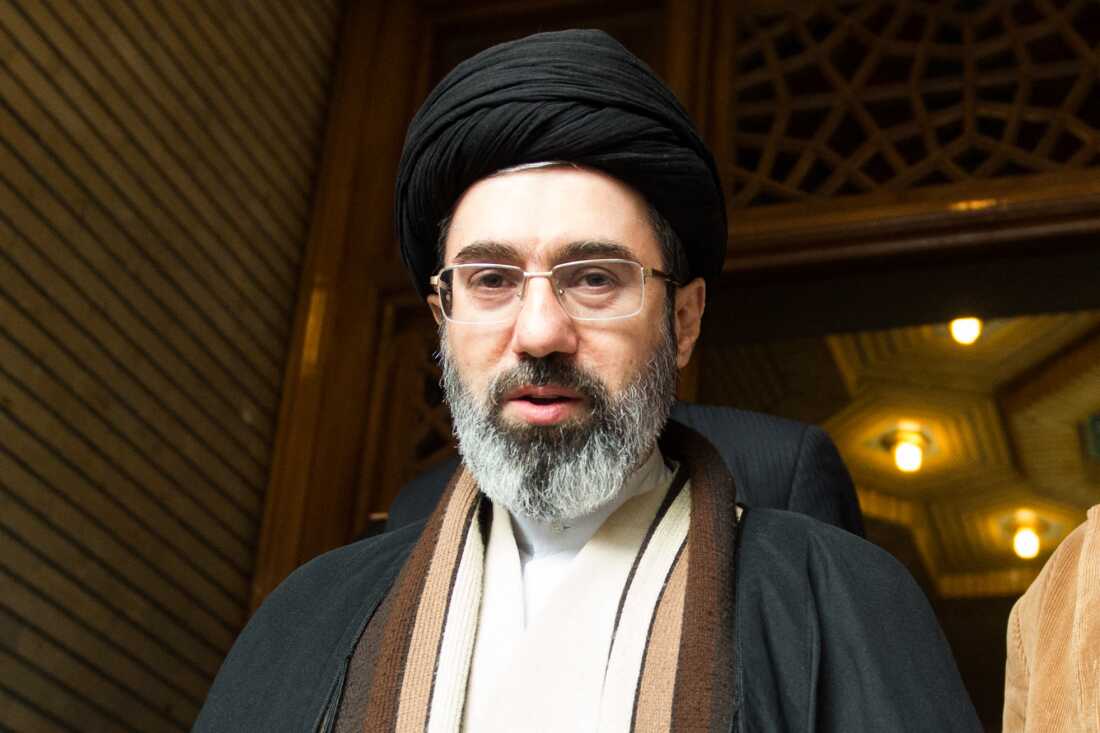
Reports from U.S. military sources indicate that Iran’s newly installed Supreme Leader, Mojtaba Khamenei, has sustained injuries and may be disfigured amid the ongoing U.S. and Israeli air campaign targeting strategic military sites in Iran. The information, shared by analysts and military officials, has yet to be independently confirmed by Tehran authorities.
The airstrikes, now entering their third week, have primarily focused on degrading Iran’s missile, drone, and naval infrastructure, including strikes on Kharg Island, a strategic military and oil hub. Observers say the reported injury to Khamenei could have significant political and military implications for Iran’s command structure.
U.S. officials have not confirmed the reports publicly but suggest that high-value targets in Tehran have been impacted during precision air operations. Analysts note that any disruption to the leadership hierarchy could affect Iran’s response strategy and internal stability.
Iranian state media has maintained that Khamenei remains active in his leadership role, though they have not addressed reports regarding the extent of any injuries. The Supreme Leader’s office has described recent operations as “minor incidents” and reaffirmed that Iran’s command structure remains intact.
The conflict, which began on 28 February 2026, escalated after the U.S. and Israel launched targeted strikes to counter Iran’s missile capabilities in the Gulf region. Tehran has responded with missile and drone attacks on U.S. bases and regional allies, raising concerns over regional stability.
Experts say the reported injury to the Supreme Leader, if verified, could influence Iran’s domestic politics, including the consolidation of power among the military and clerical leadership. Some analysts warn it may embolden opposition factions and affect internal security operations.
International reaction to the report has been cautious. While some global actors monitor the situation closely, most governments emphasize verification of facts before drawing conclusions. Analysts also point to the potential risks of misreporting in a highly volatile conflict zone.
The developments coincide with ongoing civilian unrest and economic instability within Iran, partly driven by prolonged internet blackouts and disruptions caused by the military campaign. Analysts suggest that leadership vulnerabilities could exacerbate these domestic challenges.
Military strategists caution that even with leadership injuries, Iran retains significant defensive capabilities and could continue retaliatory operations in the region. Observers stress that developments on the ground may continue to evolve rapidly.
As the situation unfolds, global energy markets remain sensitive to the conflict, with oil prices affected by potential disruptions near the Strait of Hormuz. Regional security agencies continue to monitor shipping lanes closely.
Analysts recommend close observation of Tehran’s official communications and independent reports to gauge the true extent of any leadership impact. Meanwhile, the international community continues calls for restraint to prevent further escalation.
The coming days are expected to provide clearer information regarding the Supreme Leader’s condition and the broader implications for Iran’s military strategy and domestic stability. Governments worldwide remain on high alert as they assess the potential consequences of the reported injuries.
ALSO READ; US–Israel Strikes Kill Iran’s Supreme Leader Ayatollah Ali Khamenei.
