

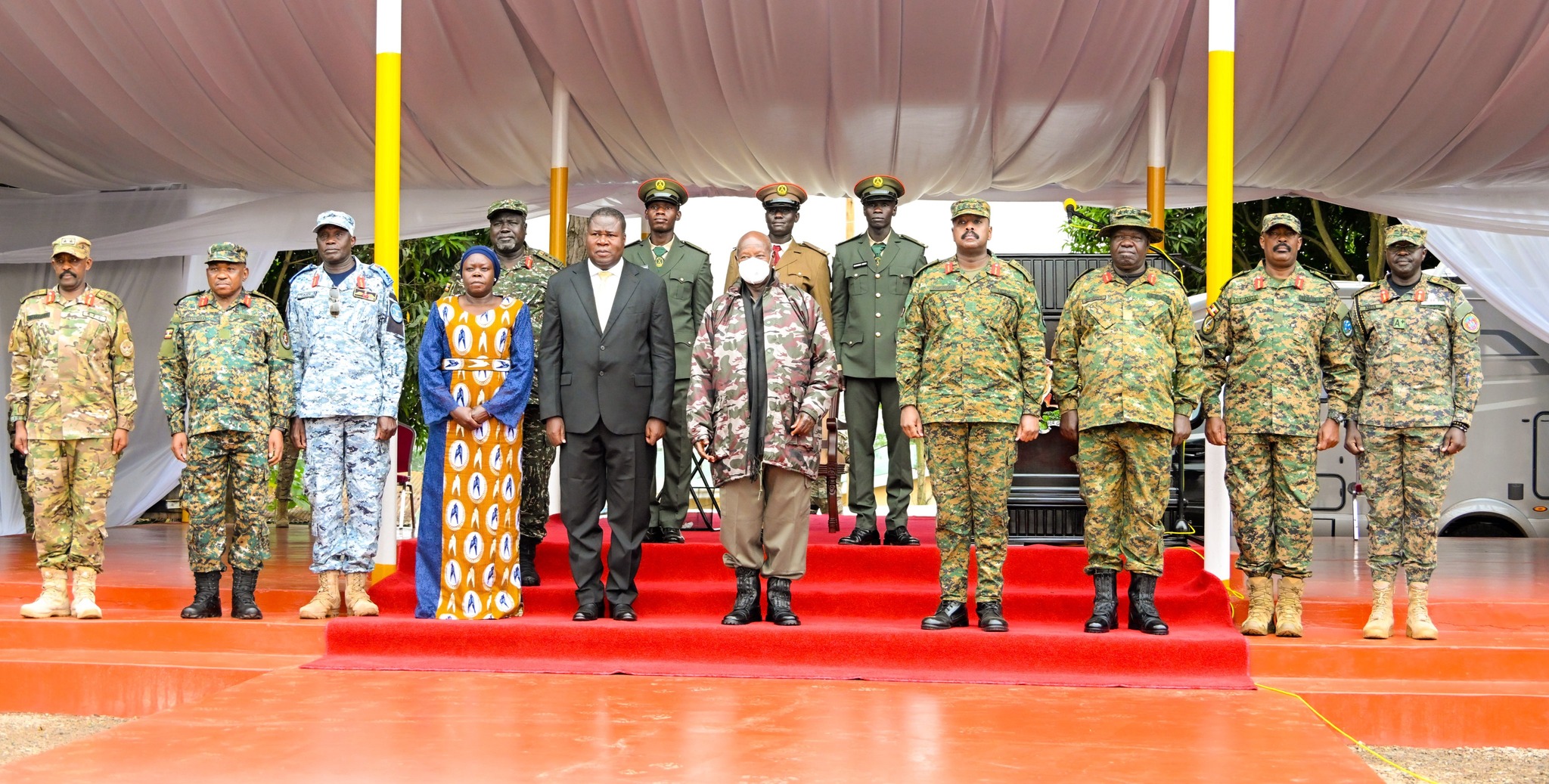
In a major development ahead of the commencement of the 12th Parliament (2026–2031), the Uganda Peoples’ Defence Forces (UPDF) has elected 10 senior officers to represent the army as Members of Parliament, underscoring the institution’s continued constitutional role in the country’s legislative affairs.
The election took place at the UPDF Land Forces Headquarters in Bombo, Luweero District, during a special sitting of the Defence Forces Council electoral college, presided over by President and Commander-in-Chief, H.E. Yoweri Kaguta Museveni. The process was conducted under the supervision of the Independent Electoral Commission (IEC), led by Chairperson Justice Simon Mugenyi Byabakama, ensuring compliance with the law governing Special Interest Group representation in Parliament.
“The election was peaceful, disciplined and reflective of the UPDF’s commitment to constitutionalism and professionalism,” an IEC official said after tallying the ballots.
FULL LIST OF ELECTED UPDF MPs
The following senior military officers secured the ten reserved seats for the UPDF in the 12th Parliament:
- Lt Gen Sam Okiding – Deputy Chief of Defence Forces
- Lt Gen James Mugira – Managing Director & CEO, National Enterprise Corporation
- Lt Gen Sam Kavuma – Deputy Coordinator, Operation Wealth Creation
- Maj Gen Henry Matsiko – Joint Staff Political Commissar
- Maj Gen James Kinalwa – Joint Staff Human Resource Management
- Maj Gen Joseph Ssemwanga – Deputy Commander, Land Forces
- Brig Gen David Gonyi – Chief of Staff, Air Force
- Col Night Ikiriza – Special Forces Command
- Col Sylvia Meeme – Military Police
- Col Christine Nekesa – Air Force representative
Among the newly elected representatives are several familiar faces to the corridors of power, while others are stepping into legislative roles for the first time — a blend that analysts say could balance experience with fresh perspectives in parliamentary security deliberations.
Under Article 78 of the Constitution, Parliament includes a specified number of representatives from the UPDF as a Special Interest Group, alongside workers, youth, persons with disabilities and older persons, reflecting the nation’s unique governance arrangements.
For decades, UPDF MPs have played a visible role in national debates, especially on matters of security, defence budgets, and Uganda’s contributions to regional peacekeeping operations. While proponents argue that this arrangement strengthens the integration of defence perspectives into national policy, critics contend it blurs the line between civilian oversight and military influence in governance.
“This arrangement should ensure that security interests are articulated effectively in Parliament,” a defence analyst said. “However, it remains essential that democratic oversight and civilian leadership be upheld at all times.” (Analyst comment)
From Kawanga to Besigye to Bobi Wine: Uganda’s Opposition Through the Decades
The newly elected UPDF representatives are expected to be formally sworn in when the 12th Parliament convenes later this year, following the general elections. Their tenure comes at a time when Uganda faces evolving security challenges both internally and regionally — including insurgency concerns and peacekeeping commitments.
In his remarks after the election, President Museveni reminded the officers of the importance of aligning military duties with national developmental needs and constitutional obligations — a message that resonates strongly as Uganda transitions into its next legislative cycle.
