

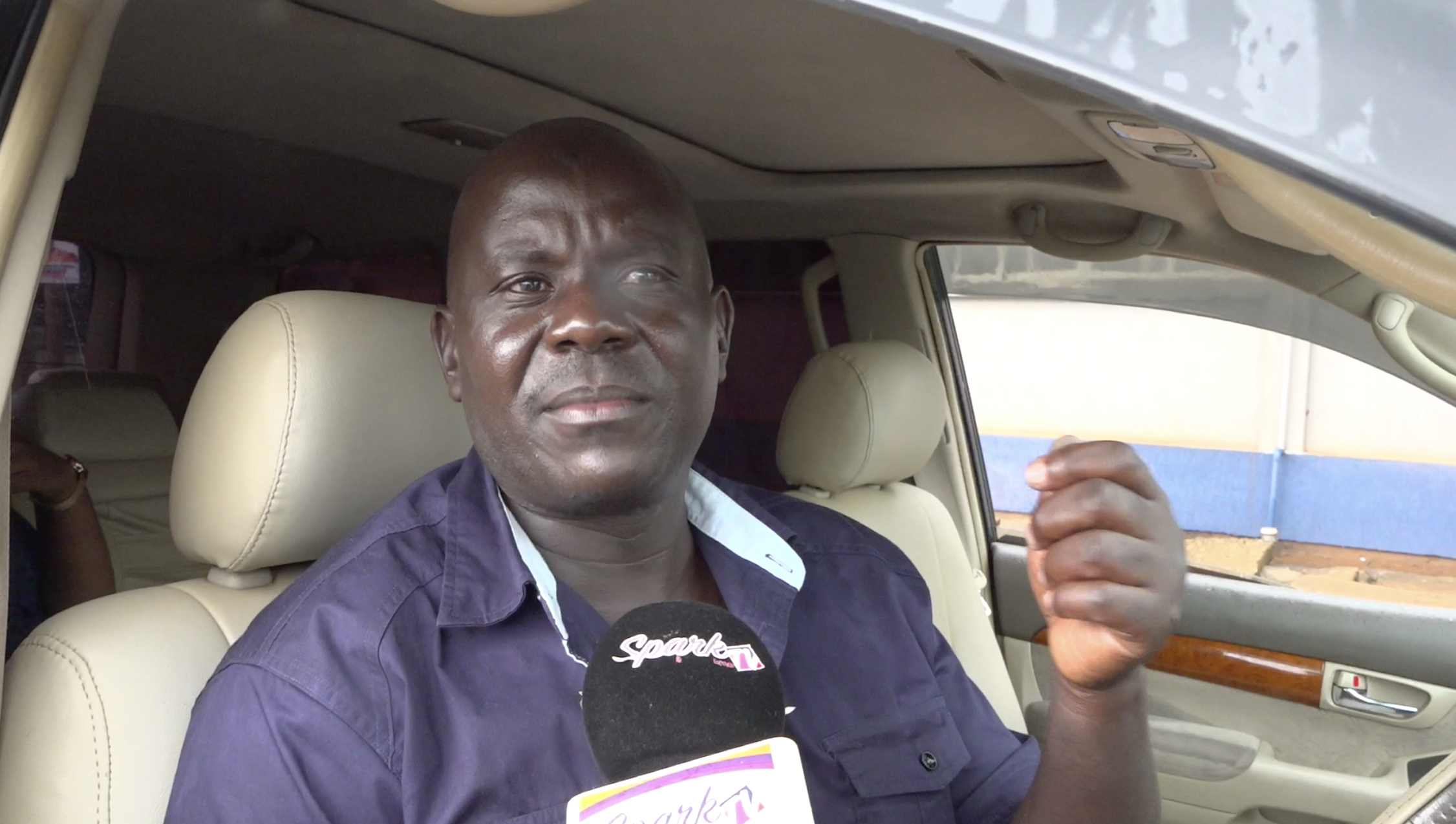
Murder convict Muhammad Ssebuufu, the proprietor of Pine Car Bond, has been released from prison after receiving a presidential pardon from Yoweri Museveni, ending more than a decade of incarceration over the killing of businesswoman Betty Donnah Katushabe.
Ssebuufu walked out of Luzira Maximum Security Prison on Thursday after benefiting from the President’s prerogative of mercy exercised on the advice of the Prerogative of Mercy Committee. His release comes nearly 11 years after he was first arrested in connection with one of Uganda’s most shocking murder cases involving a business dispute.
The Pine Car Bond proprietor was convicted by the High Court in 2019 for the October 2015 kidnapping, aggravated robbery and murder of Betty Donnah Katushabe, a client who had reportedly failed to complete payment of about Shs9 million for a motor vehicle purchased from the Kampala-based car bond.
Prosecution evidence presented during trial indicated that Katushabe was abducted from her home in Bwebajja along Entebbe Road on October 21, 2015, by individuals linked to the Pine Car Bond business. She was later taken to the company’s premises on Lumumba Avenue in central Kampala.
Court records showed that the victim was violently assaulted using blunt and sharp objects before succumbing to her injuries. Her death sparked widespread public outrage and renewed debate about the conduct of car bond operators and debt recovery practices in the country.
Following a lengthy trial, Ssebuufu and several co-accused were found guilty and sentenced to lengthy prison terms. The High Court initially sentenced Ssebuufu to 40 years’ imprisonment after considering the gravity of the offences and the brutality involved in the killing.
However, the Court of Appeal later reduced the sentence to 18 years after ruling that the original punishment was excessive, although it upheld the conviction for murder, aggravated robbery and kidnapping.
In 2023, the Supreme Court dismissed Ssebuufu’s final appeal, affirming both the conviction and the revised sentence. The decision effectively exhausted his legal options and confirmed the findings that he participated in the killing.
Throughout the trial and subsequent appeals, Ssebuufu maintained that he was innocent and argued that he had been wrongly implicated in the murder.
His release followed a successful petition for clemency under the presidential prerogative of mercy, a constitutional provision that allows the President to grant pardons, commute sentences or release prisoners after considering recommendations from the Prerogative of Mercy Committee.
Speaking shortly after his release, Muhammad Ssebuufu expressed gratitude for the pardon and said he hoped to rebuild his life after years behind bars.
“I thank the President for considering my appeal. I will work hard to rebuild my life,” he said after leaving prison.
By the time of his release, Ssebuufu had served about 11 years in prison, including the period spent on remand before his conviction.
Legal experts note that presidential pardons are typically granted on humanitarian or administrative grounds and do not overturn court convictions, meaning Muhammad Ssebuufu remains legally a convicted murderer despite his release.
The Pine Car Bond murder case attracted nationwide attention at the time because of the violent circumstances surrounding the killing and the relatively small amount of money involved in the dispute.
Ssebuufu’s release has since reignited public debate on the use of presidential pardons in serious criminal cases, with some observers questioning the decision while others argue that clemency is a constitutional power available to the Head of State.
ALSO READ: Court Grants Bail to Fr Ssekabira as Museveni Weighs In on Cleric’s Case
