

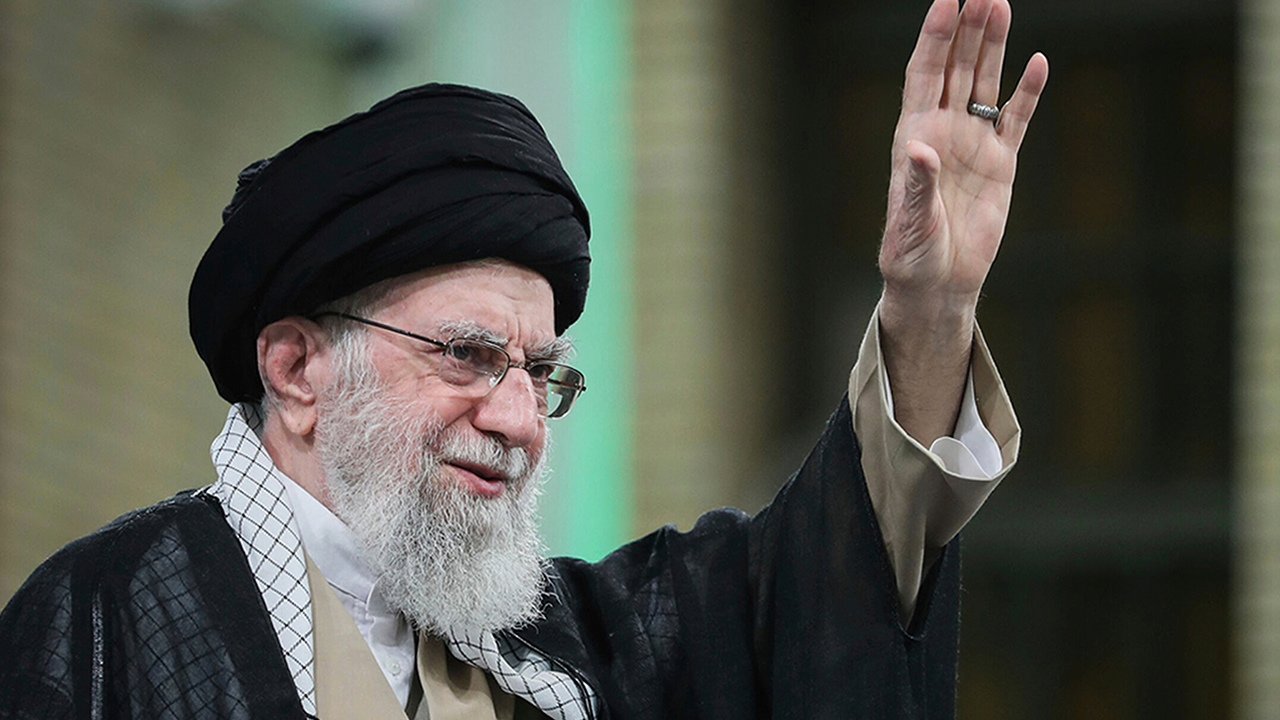
In one of the most consequential developments in modern Middle East history, Iran’s Supreme Leader Ayatollah Ali Khamenei has died at age 86, Iranian state media and multiple international outlets reported after a massive joint U.S.-Israeli military campaign struck Tehran and other targets across Iran on 28 February 2026.
The assault described by U.S. and Israeli officials as a coordinated response to Iran’s decades-long pursuit of nuclear capability and support for militant groups in the region — marked an unprecedented direct targeting of Iran’s highest authority. President Donald Trump announced the death of Khamenei on social media late Saturday, calling it “justice for the people of Iran” and asserting that it created an opportunity for Iranians to “take back your country.”
Hours after the U.S. and Israeli statements, state media in Tehran confirmed that Ayatollah Khamenei had been killed in the strikes, and Iran’s government declared 40 days of mourning throughout the Islamic Republic.
Khamenei, who had led Iran since 1989 following the death of revolutionary founder Ayatollah Ruhollah Khomeini, was the central figure in Iran’s theocratic system, wielding ultimate control over the military, judiciary, and state institutions. His rule spanned more than three decades, during which Iran became one of the most influential and divisive powers in the region.
Born in 1939, Ayatollah Ali Khamenei rose from a clerical background to become a key revolutionary figure in the overthrow of the U.S.-backed monarchy in 1979. After serving as president in the 1980s, he was chosen by the Assembly of Experts to succeed Khomeini as supreme leader, consolidating political and religious authority under his command.
Under his leadership, Iran pursued a foreign policy staunchly opposed to the United States and Israel, backing proxy groups such as Hezbollah, Hamas, and the Houthi movement, and maintaining an expansive ballistic missile and nuclear program. Khamenei’s anti-Western rhetoric and hardline stances defined Tehran’s posture in global affairs, even as reformists and civil society activists pushed for change at home.
Domestically, Khamenei’s tenure was marked by repeated crackdowns on dissent. Major waves of protests including the 2022 “Woman, Life, Freedom” movement triggered by the death of Mahsa Amini were met with force, with thousands killed and many more detained. Critics blamed his regime for stifling political freedoms and overseeing economic decline under heavy sanctions.
The military operation, launched early on 28 February, struck multiple sites in Tehran and other provinces. Satellite imagery and eyewitness accounts showed explosions and heavy damage near Khamenei’s compound, with reports confirming that his residence was destroyed in the attack.
Israeli officials said they had recovered Khamenei’s body from the rubble and identified it, a claim echoed by several media outlets citing unnamed intelligence sources. Iranian authorities subsequently confirmed his death, though they have not publicly detailed the circumstances surrounding his final moments.
President Trump and Israeli Prime Minister Benjamin Netanyahu framed the operation as a decisive blow to Tehran’s leadership and an effort to dismantle Iran’s military capacity. Trump described the action as part of a broader strategy to check Iran’s regional influence and nuclear ambitions, while also urging Iranian citizens to rise up against the clerical establishment.
The confirmation of Khamenei’s death sent shockwaves through the Middle East and around the world. Governments across the region issued statements ranging from cautious calls for de-escalation to sharp condemnations of the strikes. The United Nations and major world powers urged restraint amid fears that the conflict could spiral into a wider war.
US–Israel Strikes Iran as Trump Warns of “Elimination” of Threats.
In Tehran, the confirmation of the supreme leader’s death has fueled both grief and uncertainty. With no immediate successor named, Iran faces a potential power vacuum at the apex of its political system. The constitution calls for the Assembly of Experts to select the next supreme leader, but analysts warn that the process could unfold amidst internal factional struggles and ongoing external conflict.
Khamenei’s death marks a dramatic turning point for Iran and the region. It raises urgent questions about the future direction of Iranian politics, the stability of its theocratic system, and the broader balance of power in the Middle East. As governments and markets react to the unfolding situation, diplomats and analysts alike warn that the coming days and weeks will be pivotal in determining whether the current crisis escalates or paves the way for new efforts toward peace.
ALSO READ: USS Abraham Lincoln on High Alert as US-Iran Tensions Spike; Possible Attack Looms

1 Comment
Thanks Mukono news