

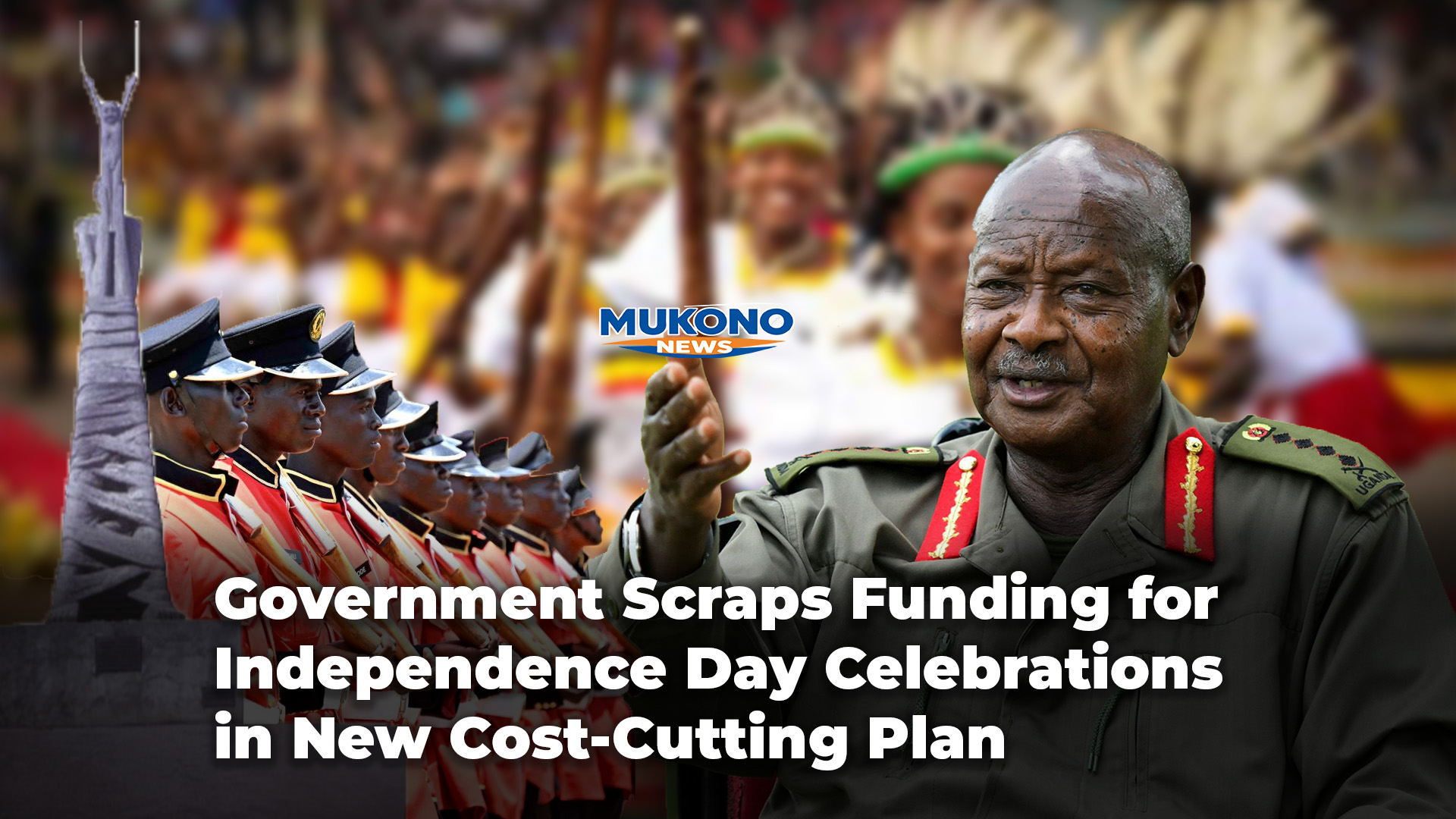
Ugandans may no longer witness government-funded Independence Day celebrations and other national public holiday events following a new expenditure rationalisation policy announced by the government.
The Permanent Secretary and Secretary to the Treasury, Dr. Ramathan Ggoobi, revealed that beginning in the 2026/27 financial year, the government will stop spending money on organizing public functions associated with national celebrations, including Independence Day, International Women’s Day, and Labour Day.
According to Dr. Ggoobi, the move is part of wider efforts to reduce public expenditure and redirect resources towards key government priorities under the ATMS strategy Agriculture, Tourism, Minerals, and Science and Technology.
“We shall not be spending money on public functions. The President will address Ugandans through radio and television broadcasts from State House, and the resources saved will be redirected to priority areas of government,” Dr. Ggoobi said.
The announcement means that traditional Independence Day celebrations, which have over the years been marked by national events attended by government officials, security agencies, cultural leaders, and members of the public, may no longer receive direct government funding.
Only a limited number of religious functions are expected to continue receiving government support under the new policy.
The decision is expected to spark debate among Ugandans, with some viewing national celebrations as important symbols of patriotism and national unity, while others may support the move as a necessary measure to reduce government spending and prioritize development projects.
Uganda celebrates its Independence Day every October 9 to commemorate the country’s attainment of independence from British colonial rule in 1962. The annual celebrations have traditionally rotated across different districts and attracted significant public expenditure on logistics, security, infrastructure, and ceremonial activities.
Government officials argue that the funds saved from such events can be better utilized to finance programs that directly impact economic growth, job creation, and household incomes.
As the 2026/27 financial year approaches, more details are expected regarding how the policy will be implemented and the exact amount of money government expects to save from the suspension of public holiday celebrations.
ALSO READ: Museveni Witnesses Signing of Starlink Deal to Launch Internet Services in Uganda.
