

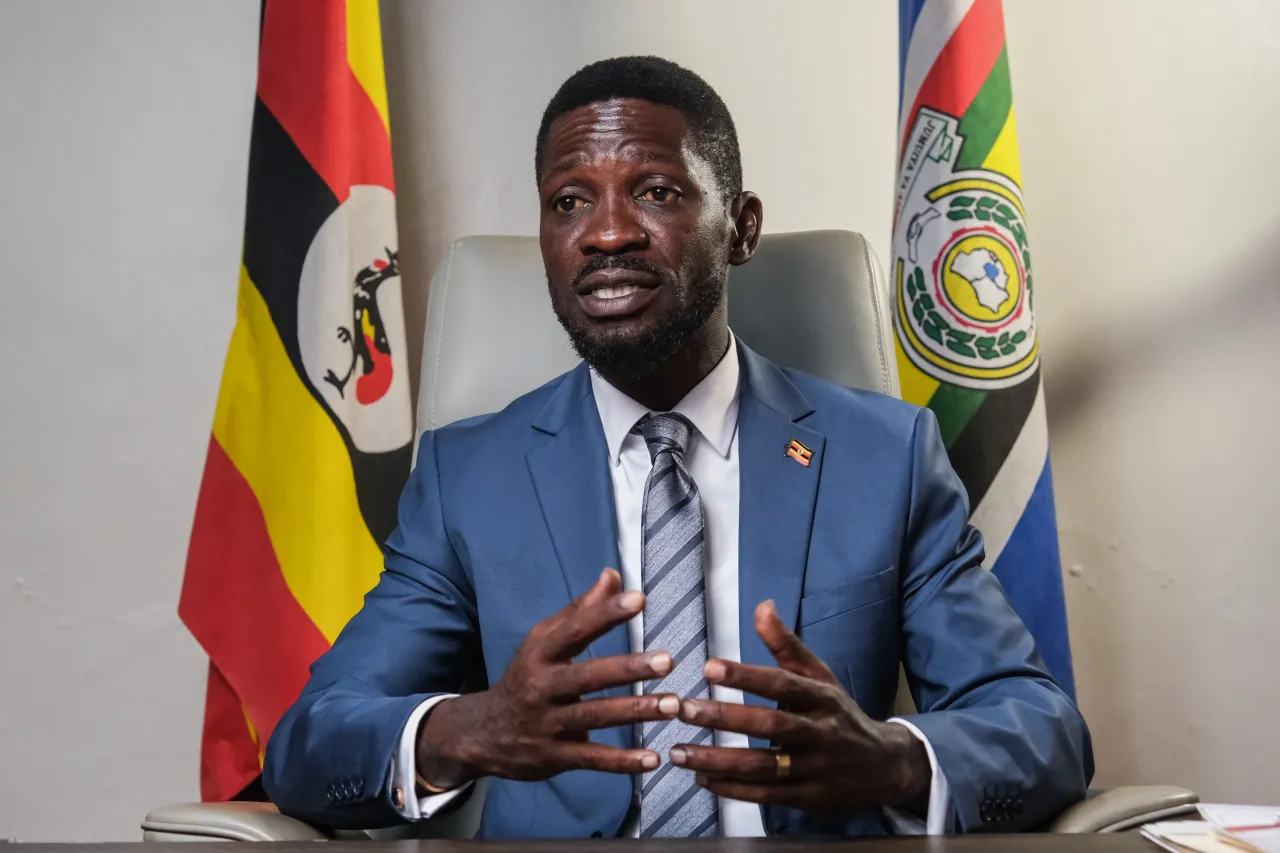
The latest report by Amnesty International on Uganda’s 2026 general elections has handed opposition leader Robert Kyagulanyi Ssentamu fresh political ammunition in his long-running international campaign against President Yoweri Museveni and his government.
For years, Bobi Wine and his National Unity Platform (NUP) have maintained that Uganda’s elections are heavily militarized, opposition supporters are routinely targeted, and state institutions are used to suppress political competition. Government officials have repeatedly dismissed those claims as exaggerated political rhetoric designed to attract foreign sympathy.
However, Amnesty International’s newly released findings now provide strong international backing to many of those allegations.
In a report released this week, Amnesty accused Ugandan security forces of election-related killings, arbitrary arrests, torture, enforced disappearances, and unlawful detention of opposition members and supporters, especially those linked to NUP.
The rights group says at least 16 people were killed before, during, and shortly after the January 15, 2026 general elections. It further documented multiple cases of torture and illegal detention between January 15 and January 18 in areas including Kampala, Butambala, Rubaga, Mityana, Mukono, and Luwero.
One of the most serious incidents highlighted in the report occurred in Butambala District, where Amnesty says at least seven people were reportedly killed at the home of opposition Member of Parliament Muhammad Muwanga Kivumbi.
Amnesty International says that despite the seriousness of the allegations, no security officer has been held accountable three months later.
Its Regional Director for East and Southern Africa, Tigere Chagutah, said Ugandan authorities must urgently launch independent and impartial investigations into all reported abuses and suspend officers implicated in the violations.
For Bobi Wine, such findings significantly strengthen his foreign policy strategy, which has largely focused on internationalizing Uganda’s governance crisis.
Since the disputed 2021 elections and continuing into the 2026 political cycle, Bobi Wine has increasingly relied on global institutions, foreign governments, international media, and human rights organizations to pressure the Museveni government.
His argument has remained consistent: that democratic change inside Uganda cannot happen without international attention to state repression and abuse of power.
The Amnesty report now gives him more than political speeches—it provides institutional documentation from one of the world’s most recognized human rights organizations.
This matters greatly in foreign capitals.
When Bobi Wine engages lawmakers in Washington, Brussels, London, or international rights forums, he is no longer relying solely on opposition testimony. Reports like Amnesty’s offer independent validation that strengthens his diplomatic credibility and weakens Kampala’s denials.
For Museveni’s government, the implications are significant.
Uganda relies heavily on diplomatic relations, security cooperation, development partnerships, and international investment. Reports accusing state agencies of killings and torture create reputational damage that can affect both politics and economics.
International partners may not immediately impose sanctions, but such reports shape diplomatic conversations behind closed doors. They raise pressure for accountability, fuel criticism from rights groups, and may trigger targeted restrictions against individuals seen as responsible for abuses.
This is particularly sensitive for Museveni because his administration has long projected Uganda as a stable regional security partner, especially in East Africa.
Allegations of systematic election violence challenge that image and risk shifting international attention from Uganda’s strategic value to its democratic record.
At home, the report also strengthens opposition messaging.
For years, NUP supporters have accused the government of using security agencies to intimidate voters, arrest activists, and weaken opposition structures during election periods. Amnesty’s findings provide external legitimacy to those claims.
This makes it harder for the government to dismiss them as ordinary campaign complaints.
It also puts pressure on security agencies themselves.
If government chooses to investigate and punish implicated officers, it risks internal tensions within institutions that are central to regime stability. If it ignores the report, it deepens the perception that impunity is protected at the highest level.
This is a familiar dilemma for Museveni’s administration: balancing international pressure with internal political survival.
Historically, the government has often responded to such criticism by accusing foreign organizations of interfering in Uganda’s sovereignty and misunderstanding local security realities.
Officials frequently argue that tough security operations are necessary to preserve peace, prevent unrest, and protect national stability.
That response may come again.
But Amnesty’s report arrives at a politically sensitive time when Uganda is under growing scrutiny over shrinking civic space, arrests of opposition figures, and concerns about democratic accountability.
For Bobi Wine, the timing is politically useful.
His campaign has increasingly shifted from purely electoral competition to a broader struggle over legitimacy—convincing both Ugandans and the international community that political change requires external pressure as much as domestic resistance.
The Amnesty report supports that strategy.
It does not remove Museveni from power, nor does it immediately alter state control over security institutions. But it raises the political cost of maintaining that power through force.
It also helps Bobi Wine present himself not just as an opposition candidate, but as the international face of Uganda’s democratic struggle.
That matters ahead of future political battles.
As attention grows, the real question is not whether Museveni will survive the report—he likely will.
The bigger question is whether repeated international documentation of abuses gradually weakens the government’s legitimacy enough to reshape Uganda’s political future.
For now, Amnesty International has done what opposition leaders have long sought: turning Uganda’s election violence from a domestic political dispute into an international accountability issue.
And in that battle, Bobi Wine has clearly scored.
ALSO READ: Bobi Wine Breaks Silence: I Will Only Return to Uganda as a Free Citizen.
